
You grab a bag of coffee off the shelf. The label screams “100% ARABICA” in big gold letters. You assume that means it’s the good stuff. Premium. The kind coffee snobs talk about.

And most of the time, it is. But here’s what that label doesn’t tell you.
Some of the best espresso you’ve ever tasted had robusta in it. Not a lot – maybe 10%, 15%, 20%. Just enough to give the shot a thick, honey-colored crema and a kick that arabica alone can’t deliver. Italian roasters have known this for a century. They didn’t plaster “100% Arabica” on the bag because that phrase would’ve made them look cheap in 1950s Naples.
Somewhere along the way, specialty coffee convinced the world that arabica is the filet mignon and robusta is dog food. Reality is more complicated – and far more interesting.
I’ve been roasting coffee at home for six years. I’ve cupped single-origin arabicas from Ethiopia that tasted like blueberries. I’ve also pulled espresso shots with 30% robusta that made my knees buckle in the best possible way. Neither bean is “better.” They’re tools. And once you understand what each one does, you’ll buy better coffee – whether the bag says “100% Arabica” or not.
This guide breaks down everything: where each bean comes from, how they taste, why robusta gets hate, when you should actually want robusta in your cup, and which blends are worth your money. No marketing fluff. Just coffee nerd stuff that actually matters.
What Is Arabica Coffee?
Coffea arabica is the species behind roughly 60-70% of the world’s coffee production. It’s the default bean. The one most coffee drinkers think of when they picture “coffee.”
But arabica isn’t just one thing. It’s a sprawling botanical family with hundreds of cultivated varieties – Typica, Bourbon, Caturra, Catuai, Gesha, SL28, and dozens more. Each one tastes different. Same species. Wildly different cups.
Origins: Born in the Forests of Ethiopia
Arabica coffee originated in the highland forests of Ethiopia – specifically the southwestern region around Kaffa, which gave coffee its name. It’s not an exaggeration to say every arabica plant on Earth traces its ancestry back to those Ethiopian forests.
From Ethiopia, arabica spread to Yemen in the 15th century, then Java via the Dutch in the 1690s. A single plant reached Martinique in 1723. That one plant became the genetic parent of nearly all arabica in Latin America today.
Flavor Profile: Sweet, Complex, and Acidic
Arabica tastes different depending on where it grows, how it’s processed, and how dark it’s roasted. But across the board, you’re looking at sweetness, acidity, and complexity.
A washed Ethiopian Yirgacheffe can taste like lemon zest and jasmine tea. A natural-process Brazilian might hit you with milk chocolate and roasted peanuts. A Costa Rican honey-process could taste like caramel-drizzled stone fruit. That range – from floral to nutty to fruity – is arabica’s superpower.
The acidity in arabica is a feature, not a flaw. Think of it like wine. Some grapes are bright and crisp (Sauvignon Blanc), others round and soft (Merlot). Same with arabica. Kenyan coffees are famously sharp and juicy – almost tomato-like. Colombian arabica leans balanced and mild.
Robusta can’t do any of this. It has one gear. Arabica has a whole transmission.
Growing Conditions: High Altitude, High Maintenance
Arabica is a diva. It grows best between 600 and 2,200 meters above sea level – ideally 1,200 to 1,800 meters. High altitude means cooler temperatures that slow the cherry’s ripening. Slower ripening means more sugars and flavor compounds inside the bean.
The plant is fragile. Arabica is susceptible to coffee leaf rust (la roya), coffee berry borer, and at least 40 other diseases. A single rust outbreak can wipe out an entire farm. This vulnerability is why arabica costs more – and why robusta exists.
Self-pollinating, low genetic diversity, disease-prone. From an agricultural standpoint, arabica is a terrible crop. From a flavor standpoint, it’s magic.
Caffeine Content: Less Than You Think
Arabica beans contain about 1.2% to 1.5% caffeine by weight. That’s roughly half of what robusta carries.
In real-world terms: a standard 8-ounce cup of 100% arabica drip coffee delivers about 95 to 140 milligrams of caffeine. An espresso shot made from pure arabica? Around 60 to 80 milligrams. Enough to wake you up. Not enough to make your hands shake.
The lower caffeine level is actually part of why arabica tastes better. Caffeine is bitter. Less caffeine means less bitterness for other flavors to punch through. Arabica has more lipids (fats) and sugars too – about 60% more lipids and nearly twice the sugar concentration of robusta. That’s the chemical reason arabica tastes sweeter and smoother.
What Is Robusta Coffee?
Coffea canephora – commonly called robusta – is arabica’s tougher, louder, more aggressive cousin. It makes up roughly 30-40% of global coffee production. In some countries, like Vietnam and parts of India, it’s the dominant crop.
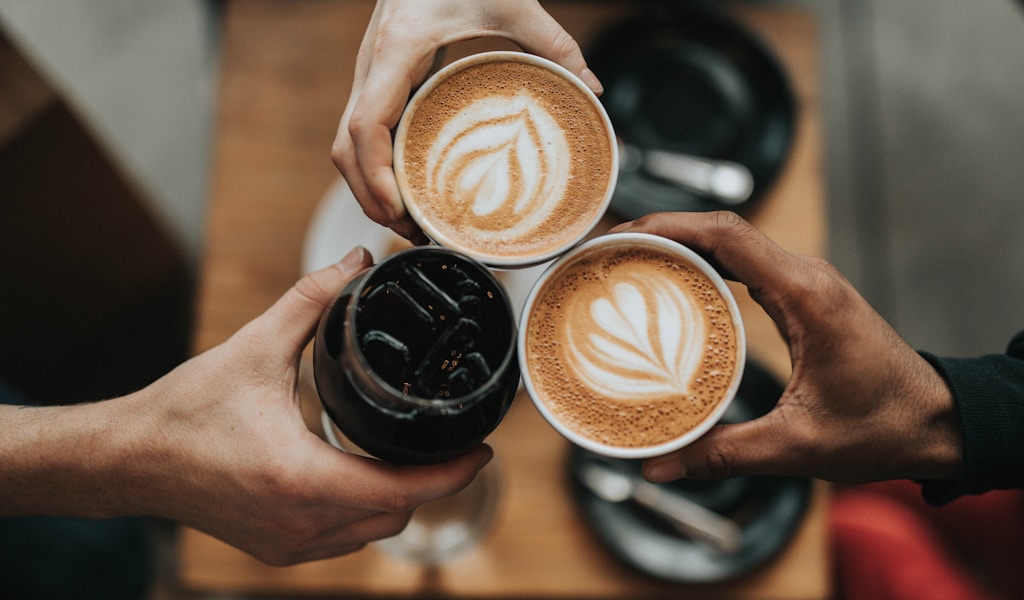
Robusta gets trashed by specialty coffee people. “Bitter.” “Rubbery.” “Tastes like burnt tires.” And yeah – bad robusta deserves every insult. But good robusta? It belongs in your cup more often than the internet admits.
Origins: West and Central Africa
Robusta is native to the lowland forests of West and Central Africa – from Guinea through the Congo Basin to Uganda. It was first described in the late 1800s, a century after arabica colonized the Americas.
The timing matters. In the late 1800s, arabica plantations across Asia were collapsing from coffee leaf rust. Robusta survived. Farmers in Java, Sri Lanka, and India planted it as a replacement. The French brought it to Vietnam in the early 1900s. Today Vietnam is the world’s largest robusta producer.
Robusta didn’t spread because it tasted better. It spread because it lived.
Flavor Profile: Bold, Earthy, and Unapologetically Bitter
Let’s be honest about what robusta tastes like.
Low-grade robusta – the stuff that goes into instant coffee and cheap supermarket blends – tastes harsh. Burnt rubber. Ashtray. Woody bitterness that coats your tongue and stays there. It’s not pleasant on its own. If you’ve ever had gas station coffee that made you wince, chances are robusta was in the mix.
But high-grade robusta – and yes, it exists – is different. Specialty robusta from washed processing, grown at higher elevations, and roasted with care can taste like dark chocolate, roasted nuts, toasted grain, and spice. Vietnamese robusta from the Central Highlands hits with dark cocoa and a pleasant smokiness. Indian Kaapi Royale robusta leans creamy, with peanut butter and cacao nib notes.
Good robusta doesn’t taste “fruity” or “bright.” It tastes heavy. You don’t drink robusta for complexity – you drink it for body.
Growing Conditions: Low Altitude, Low Drama
Robusta grows where arabica dies. Elevation: 200 to 800 meters. Temperature: 22°C to 30°C (72°F to 86°F). It handles heat and humidity that would destroy arabica in a week.
The plant is hardier in every way. Deeper roots. Thicker leaves. Cross-pollinated (unlike self-pollinating arabica) – which gives it higher genetic diversity and better disease resistance. Yields are roughly double arabica’s per tree. Combined with lower altitude requirements and fewer pesticides, robusta costs significantly less to grow.
The downside? Cherries ripen faster at low altitudes. Less time means fewer sugars develop. It’s a volume game, not a quality game – though that’s changing as farmers in Ecuador and Brazil grow robusta at higher elevations with real care.
Caffeine Content: Why Robusta Packs Twice the Punch
Robusta contains 2.2% to 2.7% caffeine by weight. That’s nearly double arabica’s 1.2% to 1.5%. Two important things happen because of this.
First – the buzz. An 8-ounce cup made with 100% robusta could deliver 180 to 250 milligrams of caffeine. An espresso shot with 20% robusta blend? Noticeably stronger than pure arabica. If you drink coffee for the jolt, robusta delivers.
Second – the bitterness. Caffeine is a natural insecticide. More caffeine means more pest resistance, but also more bitterness. The same molecule that wakes you up is what makes low-grade robusta taste harsh.
Robusta has about half the sugar and half the lipids of arabica. Less sugar = less sweetness. Less lipids = thinner body. What you gain in caffeine, you lose in flavor chemistry.
Arabica vs Robusta: Side-by-Side Comparison
Here’s everything in one place. If you only remember one thing from this guide, here it is.
| Characteristic | Arabica | Robusta |
|---|---|---|
| Scientific Name | Coffea arabica | Coffea canephora |
| Global Production Share | 60-70% | 30-40% |
| Origin | Ethiopian highlands | West & Central Africa |
| Growing Altitude | 600-2,200 m (ideally 1,200-1,800) | 200-800 m |
| Ideal Temperature | 15-24°C (59-75°F) | 22-30°C (72-86°F) |
| Disease Resistance | Low – susceptible to rust, borer, 40+ diseases | High – naturally resistant to most pests |
| Caffeine (by weight) | 1.2%-1.5% | 2.2%-2.7% (roughly 2x) |
| Sugar Content | 6-9% sucrose | 3-5% sucrose |
| Lipids (Fats) | 15-17% | 8-10% |
| Chlorogenic Acids (CGA) | 5.5-8% | 7-10% (more bitterness) |
| Bean Shape | Oval, elongated, curved center cut | Rounder, smaller, straight center cut |
| Flavor (Typical) | Sweet, fruity, floral, acidic, complex | Bold, earthy, nutty, smoky, bitter |
| Crema Production (Espresso) | Thin, lighter, less persistent | Thick, dark, long-lasting |
| Acidity | High – bright, wine-like | Low – flat, muted |
| Body / Mouthfeel | Smooth, tea-like to syrupy (depends on roast) | Heavy, grainy, “chewy” |
| Common Uses | Specialty coffee, pour-over, single-origin | Instant coffee, espresso blends, budget blends |
| Price (Green Bean) | $1.80-$4.00+ per pound (specialty $3-$50+) | $0.80-$1.50 per pound |
One thing jumps out immediately: arabica and robusta aren’t even playing the same game. Arabica is a luxury crop. Robusta is a workhorse. Comparing them head-to-head is like comparing a Pinot Noir grape to a concord grape – same broad category, completely different purpose.
Why “100% Arabica” Is Mostly Marketing
Walk down any coffee aisle. Count how many bags say “100% Arabica.” Now count how many say “Contains Robusta.”
The first number is easily 90% of the shelf. The second is zero. Because nobody advertises robusta. But here’s the dirty secret: plenty of those “100% Arabica” claims are questionable, and even when they’re true, the phrase is a marketing invention – not a quality guarantee.
The Term Was Invented to Sell Coffee, Not Describe It
“100% Arabica” as a marketing slogan took off in the 1980s and 1990s. Big roasters – Folgers, Maxwell House, Nescafé – were loading blends with cheap robusta. Specialty coffee needed a way to say “we’re not that.” So they put “100% Arabica” on the bag.
It worked. But the phrase tells you nothing about quality. A bag of stale, commodity-grade Brazilian arabica from 2022 is still “100% Arabica.” It’ll still taste like cardboard. Specialty arabica – the stuff that actually tastes like the notes on the bag – represents less than 10% of global arabica production.
Blends Exist for a Reason
Traditional Italian espresso roasters never chased the “100% Arabica” label. Roasters like Lavazza, Kimbo, and Illy’s competitors built their reputations on blends that included 10% to 40% robusta. They weren’t cutting corners. They were building a specific flavor profile.
Robusta adds three things that arabica alone struggles to deliver: crema, body, and punch.
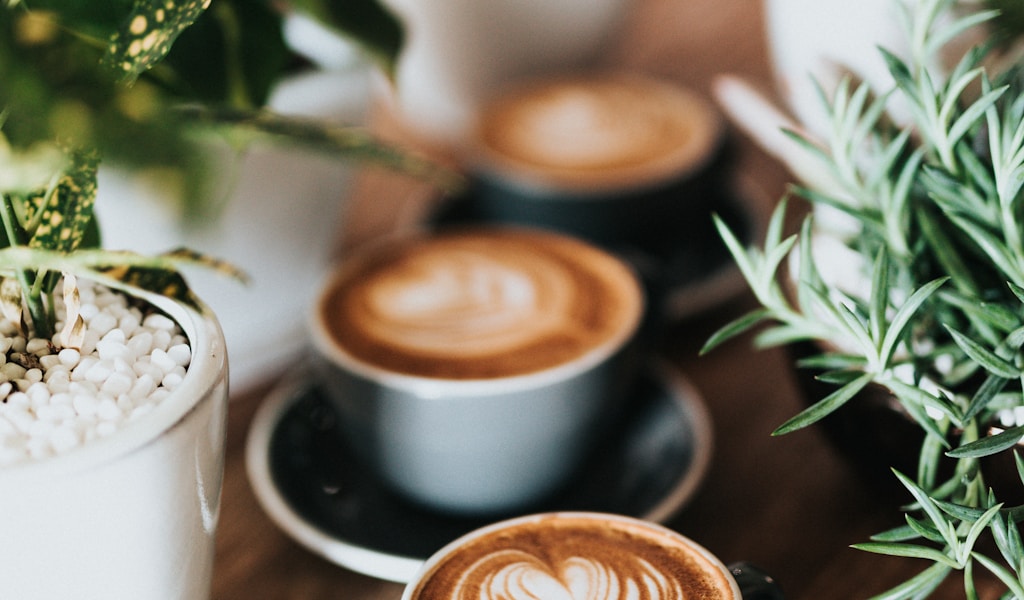
A shot of pure arabica espresso produces decent crema – but it’s thin, pale, and fades in 30 seconds. Add 15% robusta and suddenly you get thick, tiger-striped crema that sticks around. Pour steamed milk into pure arabica and it thins out. Pour it into an arabica-robusta blend and the coffee holds its structure. The latte tastes like coffee, not coffee-flavored milk.
Specialty roasters are catching on. More and more third-wave shops now carry “espresso blends” with 5% to 15% high-grade robusta. They just don’t shout it from the rooftops because “100% Arabica” is still what consumers expect to see. The stigma is fading, but slowly.
Which Bean Is Better for Espresso?
Short answer: a blend. Usually 80-90% arabica, 10-20% robusta.
Longer answer: it depends on what kind of espresso you want to drink.
100% Arabica Espresso
This is the modern specialty standard. A 100% arabica espresso shot tastes bright, layered, and clean. Citrus, berry, chocolate, caramel – whatever the origin offers. The crema will be thinner and the body lighter, but the flavor complexity can be incredible.
The catch? It’s unforgiving. Dial in your grind slightly wrong and a 100% arabica shot turns sour or hollow. For straight shots and short milk drinks (macchiatos, cortados), 100% arabica can be sublime. But in lattes and cappuccinos, those delicate origin flavors often get buried under all that steamed milk.
Arabica-Robusta Espresso Blends
This is the traditional Italian approach and what most of the world outside specialty cafés actually drinks. A 80/20 or 85/15 arabica-to-robusta blend does three things:
- Crema explosion. Robusta produces significantly more crema – and thicker, darker, longer-lasting crema. It’s the tiger-stripe foam coffee photography dreams are made of.
- Milk-cutting body. The heavier mouthfeel of robusta punches through milk. Your cappuccino still tastes like coffee at the bottom of the cup.
- More forgiving extraction. Robusta widens the sweet spot. You don’t need surgical grind precision to avoid a sour or bitter shot.
The trade-off: less origin character. You won’t taste “bergamot and stone fruit.” You’ll taste coffee – bold, chocolatey, nutty, familiar espresso flavor. If you’re making milk drinks at home, especially with a beginner espresso machine that’s not perfectly temperature-stable, a blend with some robusta is going to make your life much easier.
If you want to experiment, start with a classic Italian blend like Lavazza Super Crema (60% arabica, 40% robusta) and compare it against a 100% arabica espresso roast. Pull both as straight shots. Pull both as cortados. You’ll immediately understand what robusta brings to the party.
Which Bean Is Better for French Press and Pour-Over?
Arabica. No contest. Let me explain why, and when you might break this rule.
French Press: Go Arabica (Mostly)
French press brewing is an immersion method. Grounds sit in hot water for four minutes with no paper filter. Oils, fines, and dissolved solids all end up in your cup. This produces the heaviest, richest-bodied cup of any non-espresso brewing method.
Arabica shines here because French press amplifies everything – sweetness, acidity, mouthfeel. A medium-dark roast Colombian in a French press tastes like melted chocolate. A light roast Ethiopian tastes like blueberry tea with a syrupy body.
Robusta in a French press? All that bold bitterness and earthy heaviness gets amplified too. It’s a lot. Too much for most people. A 100% robusta French press tastes muddy, aggressively bitter, and leaves a coating on your tongue that feels like you licked an ashtray.
The one exception: a small amount of robusta – 10% max – in a French press blend can add a nice bass note if you’re brewing a dark roast. Think of it like adding a pinch of salt to chocolate chip cookies. You don’t taste the salt. You just taste more of everything else. High-grade Indian robusta, in particular, plays well with dark-roasted arabica in a press.
Pour-Over: Stick to 100% Arabica
Pour-over is the purity method. A paper filter strips out most oils. Water passes through the coffee bed in a controlled, precise way. The result is a clean, tea-like cup where origin flavors are front and center.
Robusta has no business in a pour-over. None. The filter already removes body and oils – the two things robusta is actually good at contributing. What’s left is just bitterness and a flat, one-dimensional flavor that makes you wonder why you bothered with a gooseneck kettle and a $40 dripper.
If you’re brewing pour-over, go single-origin arabica. Light or medium roast. A V60 with a washed Ethiopian or a Kalita Wave with a honey-process Costa Rican – that’s where pour-over earns its reputation. Robusta detracts from everything that makes pour-over special.
Best Arabica-Robusta Blends Worth Buying
Not all robusta blends are created equal. Here are five blends that use robusta intentionally – not as a cost-cutting filler, but as a flavor tool.
1. Lavazza Super Crema (60/40 Blend)
The gold standard of Italian espresso blends. 60% arabica, 40% robusta. Tastes like hazelnuts, brown sugar, and dark chocolate. Crema that looks like melted caramel. If you own an espresso machine and you’ve never tried a traditional Italian blend, start here.
Lavazza Super Crema Whole Bean on Amazon. Buy whole bean – pre-ground goes stale fast.
2. Death Wish Coffee (Robusta-Heavy)
Marketed as the “world’s strongest coffee.” A high-robusta blend with roughly 2-3x the caffeine of standard coffee. Dark, smoky, intense. Not subtle. Not fruity. Just an aggressive, wake-up-or-else cup.
Death Wish Coffee Whole Bean on Amazon. Not an everyday sipper. A tool for 6 AM shifts and midnight deadlines.
3. Kimbo Espresso Napoletano (Italian Classic)
Kimbo is huge in Italy and unknown to most American coffee drinkers. Their Napoletano blend is a dark-roasted arabica-robusta mix for the intense, short espresso shots Naples is famous for. Tastes like toasted almonds, dark cocoa, and a whisper of smoke – thick crema, serious body. Use for espresso or moka pot, not pour-over.
Kimbo Espresso Napoletano on Amazon. Buy whole bean if available.
4. Nguyen Coffee Supply (Specialty Vietnamese Robusta)
Nguyen Coffee Supply does something genuinely different – they import robusta from Vietnam’s Central Highlands and treat it with specialty-level care: high-altitude growing, careful picking, washed processing. Their robusta tastes like dark chocolate, toasted bread, and roasted nuts. No rubber. No ashtray.
Available direct from Nguyen Coffee Supply (not on Amazon at time of writing). If you want to taste what high-grade robusta can do, this is the benchmark.
5. Cafe Du Monde Coffee & Chicory
Cafe Du Monde’s iconic yellow canister contains robusta blended with roasted chicory root – a New Orleans tradition dating back to coffee shortages during the Civil War. The chicory adds caramelized sweetness that rounds out robusta’s bitterness. The result is earthy, slightly sweet, with a velvety body that makes café au lait taste creamy without any dairy.
Cafe Du Monde Coffee & Chicory on Amazon. Use a French press. Mix 50/50 with steamed milk for a proper NOLA café au lait.
FAQ: Arabica vs Robusta Coffee
No – but most robusta sold globally is commodity-grade, poorly processed, and dark-roasted to hide defects. That gives robusta its bad reputation. High-grade robusta, grown with care and properly processed, tastes like dark chocolate and roasted nuts – earthy and bold, not rubbery or burnt. Brands like Nguyen Coffee Supply are leading the shift toward specialty robusta.
Robusta contains roughly twice the caffeine of arabica – 2.2% to 2.7% by weight versus arabica’s 1.2% to 1.5%. In practical terms, an 8-ounce cup of 100% arabica has about 95-140 mg of caffeine. The same cup with 100% robusta delivers 180-250 mg. Most commercial blends with some robusta fall somewhere in the middle.
You can, but 100% robusta is intensely bitter, heavy-bodied, and one-dimensional. It works in a French press with a dark roast and shorter steep (3 minutes vs 4). Adding condensed milk helps – which is why Vietnamese cà phê sữa đá uses robusta. Straight black? Most people won’t enjoy it.
Several reasons. Over-extraction (grind too fine, steep too long, water too hot) is the most common culprit. But also: “100% Arabica” says nothing about bean quality. Low-grade commodity arabica, roasted months ago and ground weeks ago, will taste bitter regardless. Freshness (roast date within 2-4 weeks) and grind quality matter far more than the arabica/robusta label.
Yes – heavily. Most mass-market instant coffee (Nescafé, Folgers, Maxwell House) is made primarily from robusta beans. Robusta is cheaper, yields more per acre, and the harsh processing of instant coffee (freeze-drying or spray-drying) strips out most origin characteristics anyway. The caffeine survives the process, but the flavor doesn’t.
Yes – objectively. Robusta produces more crema, darker crema, and longer-lasting crema than arabica. This is due to lower lipid content and different protein structures that create a more stable foam under pressure. Traditional Italian espresso blends include robusta specifically for crema quality. A 100% arabica shot can produce good crema with fresh beans and perfect technique, but it’s thinner and fades faster.
In some ways, yes. Robusta requires fewer pesticides due to natural pest resistance. It grows at lower altitudes, causing less highland deforestation. It yields more per hectare. But robusta farming in Vietnam has been linked to groundwater depletion and heavy fertilizer use. Farming practices matter more than the bean species. Look for certifications (Rainforest Alliance, organic) rather than judging by arabica vs robusta alone.
Yes, with some practice. Arabica beans are larger, oval-shaped, with a curved S-shaped center cut (the line running down the middle). Robusta beans are smaller, rounder, and have a straight center cut. After roasting, the differences are subtler but still visible – arabica beans often look slightly more elongated. Professional cuppers can identify them by sight alone. Home brewers: check your bag. It’s easier.
For 100% arabica in pour-over or French press, the standard is 1:16 (1 gram coffee to 16 grams water). For robusta blends, start at 1:15 or 1:14 – robusta adds intensity, and a tighter ratio balances it. Espresso: the standard 1:2 ratio works for both, but grind slightly coarser for robusta-containing blends as they extract faster.
Yes – the 2x caffeine means a stronger stimulant effect. But caffeine metabolism varies dramatically. Some feel alert; others get jittery and crash harder. Robusta also has higher chlorogenic acid content, which can upset sensitive stomachs. If you want a stronger coffee without doubling caffeine, try a dark-roasted arabica – the richer flavors feel more intense without the extra stimulant.
The
Verdict: Which Coffee Bean Should You Buy?
Neither bean wins. They solve different problems.
Buy 100% arabica if: you brew pour-over, French press, or drip. You care about origin flavors – fruit notes, floral aromas, bright acidity. You drink coffee black. A washed Ethiopian through a V60 is one of life’s simplest luxuries. Don’t mess it up with robusta.
Buy an arabica-robusta blend if: you make espresso, especially milk drinks. You want thick crema, bold flavor that cuts through milk, and forgiving shots. Get an 80/20 or 85/15 blend. Lavazza Super Crema is the gateway. Kimbo Napoletano is the upgrade.
Buy high-grade 100% robusta if: you’re curious. You want to taste what robusta can be with real care behind it. Pair it with condensed milk for Vietnamese cà phê sữa đá. Nguyen Coffee Supply is the benchmark.
Buy pre-ground supermarket “100% Arabica” if: you’re fine. That’s okay. But know the phrase does more marketing work than flavor work. If you can, buy whole bean, grind it fresh, check the roast date. Those three things matter more than what the label says about arabica vs robusta.
The coffee industry spent 40 years teaching everyone that arabica is good and robusta is bad. Reality is messier. Arabica gives you range, complexity, and sweetness. Robusta gives you body, crema, and caffeine. The best cup uses whichever bean gets you closest to what you actually want to drink.
Stop treating “100% Arabica” like a quality seal. Start treating it like a choice.
Disclosure: Some links in this guide are affiliate links. If you buy through them, I may earn a small commission at no extra cost to you. I only recommend products I’ve personally used or thoroughly researched. This is how BeanSage stays independent – no sponsored content, no paywalls, no compromises on telling you when robusta actually belongs in your cup.
Affiliate Disclosure: As an Amazon Associate, beansage.com earns from qualifying purchases. When you buy through our links, we may earn a commission at no extra cost to you. We only recommend products we stand behind.
Leave a Reply