
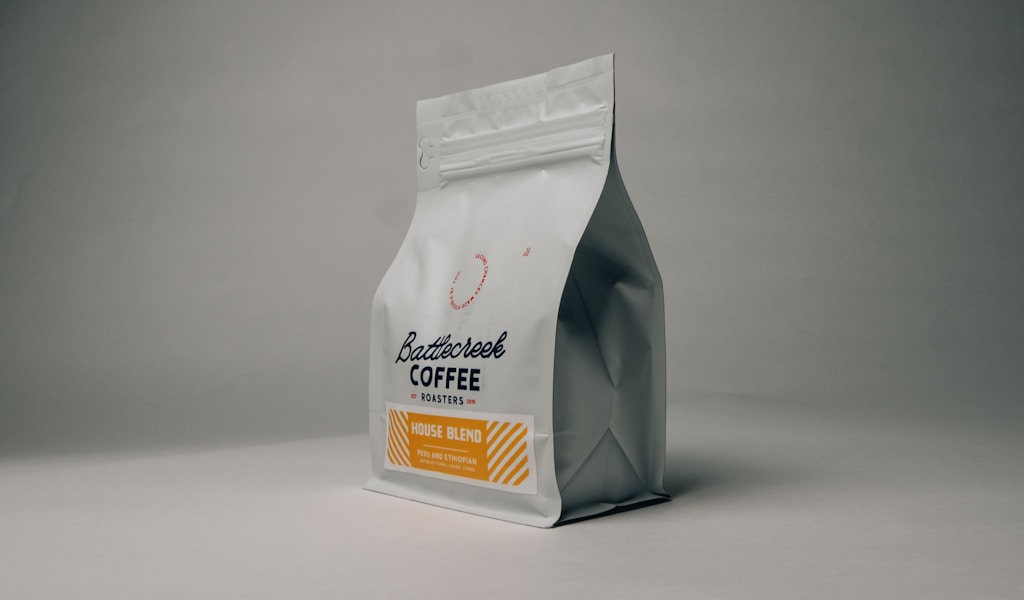
This guide will walk you through it. We’ll cover everything you need. You’ll learn about the best beans and how to grind them.
We’ll talk about the water temperature. Most importantly, we’ll go step-by-step through the brewing process. You’ll be making amazing coffee in no time.
The best way to make pour over coffee involves using fresh, quality beans. You’ll need a gooseneck kettle for controlled pouring, a pour over dripper, and a filter. Aim for a medium-fine grind, water just off the boil, and a slow, circular pouring motion to saturate the grounds evenly for optimal flavor extraction.
What is Pour Over Coffee?
Pour over coffee is a way to make coffee by hand. You pour hot water slowly over coffee grounds. The grounds are in a filter.
The water drips through the filter into a mug or pot below. It’s a simple method. But it gives you a lot of control.
This control helps you make a great-tasting cup.
Think of it like a tea ceremony for coffee. Every step matters. The way you pour.
The speed of the pour. Even the temperature of the water. All these things affect the final taste.
It’s a slower process than a drip machine. But many people find it very rewarding.
Why do people love it so much? It’s because it makes coffee taste so clean. You can really taste the unique flavors of the coffee bean.
Unlike some other methods, it filters out oils and fine particles. This means no bitterness or sludge at the bottom of your cup. Just pure coffee flavor.
My First Pour Over: A Moment of Truth
I remember my first attempt vividly. I’d just bought a fancy new pour over set. It sat on my counter for a week.
I was intimidated. The delicate glass, the cone-shaped dripper, the paper filters. It all looked so complicated.
I kept reaching for my old, trusty drip machine. It was just so easy.
Then, one Saturday morning, I decided. Enough was enough. I brewed a cup.
My hands felt a bit shaky. I carefully heated the water in my electric kettle. I ground some beans, hoping I got the grind size right.
I placed the paper filter in the dripper and rinsed it with hot water. This step is important. It gets rid of any paper taste.
Then came the pouring. I tried to mimic what I’d seen. A slow, steady circle.
But my hand wasn’t steady. The water splashed a bit. Some grounds escaped the filter.
The coffee that dripped into my mug looked thin and weak. My first cup was… okay. Not great, but not terrible.
It tasted a little watery. I felt a pang of disappointment. But also, a tiny spark of hope.
I knew I could do better. And I was determined to figure out how.
Essential Pour Over Gear
You don’t need a lot to start. Here’s what helps:
- Pour Over Dripper: Ceramic, glass, or plastic. Popular types include Hario V60, Kalita Wave, Chemex.
- Paper Filters: Match your dripper. Rinse them first!
- Gooseneck Kettle: For precise water control.
- Coffee Grinder: Burr grinders are best for even grounds.
- Fresh Coffee Beans: Whole beans are ideal.
- Scale: To measure coffee and water.
- Timer: To track brewing time.
Choosing Your Coffee Beans
The type of coffee bean you use is super important. It’s the star of the show! For pour over, lighter roasts are often recommended.
Why? Because they have more delicate flavors. Think fruity, floral, or bright notes.
Darker roasts are bolder. They can taste more chocolatey or nutty. Sometimes, they can taste a bit burnt if not roasted carefully.
For pour over, you want to taste all those subtle hints. So, a medium or light roast is often best. This lets the bean’s origin shine through.
Always buy freshly roasted beans. Look for a “roasted on” date on the bag. Coffee is best within a few weeks of roasting.
Grinding beans right before you brew makes a huge difference. The smell alone is amazing!
Where do good beans come from? Often, you’ll see origins like Ethiopia, Kenya, Colombia, or Costa Rica. Each region has its own flavor profile.
Ethiopia might give you berry notes. Colombia might offer caramel and chocolate. Experiment to find what you love!
Grind Size Matters a Lot
This is one of the most critical parts. The grind size affects how fast water flows through the coffee. It also affects how much flavor is pulled out.
For pour over, you usually want a medium-fine grind. It should look a bit like table salt or sand.
Too fine a grind, and the water will flow too slowly. This can lead to over-extraction. Your coffee might taste bitter.
Too coarse a grind, and water flows too fast. This can lead to under-extraction. Your coffee might taste weak and sour.
A burr grinder is way better than a blade grinder. A burr grinder crushes beans into pieces of the same size. A blade grinder chops them unevenly.
This makes a big difference in taste. Consistent grounds mean consistent flavor. If you can, invest in a good burr grinder.
If you’re using pre-ground coffee, check the label. It might say “for pour over” or “drip coffee.” But even then, it’s best to grind fresh. You can always ask your local coffee shop to grind beans for you to a specific size.
Just tell them you’re making pour over.
Grind Size Guide
Think of these as general ideas:
- Extra Coarse: Like sea salt. (Cold brew)
- Coarse: Like rough sand. (French press)
- Medium-Coarse: Like damp sand. (Chemex)
- Medium: Like table salt. (Drip machines, some pour over)
- Medium-Fine: Like fine sand. (Most pour over, V60, Kalita)
- Fine: Like sugar. (Espresso)
- Extra Fine: Like powder. (Turkish coffee)
Water Temperature and Ratio
Water temperature is key. Too hot, and you can scorch the coffee grounds. This makes them taste bitter.
Too cool, and you won’t extract enough flavor. You’ll get a weak cup.
The ideal temperature is usually between 195°F and 205°F (90°C to 96°C). If you don’t have a thermometer, here’s a simple trick. Boil your water.
Then, let it sit for about 30 seconds to a minute. This usually gets it in the right range.
The coffee-to-water ratio is also very important. A good starting point is a ratio of 1:15 or 1:16. This means for every 1 gram of coffee, you use 15 or 16 grams of water.
If you don’t have a scale, it can be tricky. But a scale makes things much easier and more consistent.
Let’s say you want to make a 300ml cup of coffee. That’s about 300 grams of water. Using a 1:15 ratio, you would use about 20 grams of coffee (300 / 15 = 20).
If you use a 1:16 ratio, you’d use about 18.75 grams (300 / 16 = 18.75). Start with 20 grams and see how you like it. You can always adjust.
The Brewing Process, Step-by-Step
Now for the fun part! Here’s how to brew a great cup of pour over coffee. We’ll use a common setup like a Hario V60 as an example.
The steps are similar for most drippers.
Step 1: Prepare Your Gear
Get your dripper, filter, and carafe or mug ready. Fold the seam of your paper filter if it has one. Place the filter in the dripper.
Put the dripper on top of your mug or carafe. You can place this whole setup on a scale and zero it out.
This next step is crucial. Pour some hot water over the paper filter. Make sure to wet the entire filter.
This rinses out any paper taste. It also heats up your dripper and vessel. Discard this rinse water from the mug or carafe.
Now you’re ready to go!
Step 2: Add Your Coffee Grounds
Weigh your coffee beans. For a single cup (around 300ml), aim for 18-20 grams of coffee. Grind your beans to a medium-fine consistency.
Add the grounds to the wet filter in your dripper. Give the dripper a gentle shake to level the coffee bed. This helps ensure even water flow later.
If you’re using a scale, place your setup on it and zero it out. You’ll want to track your water weight as you pour.
Step 3: The Bloom (First Pour)
This is called the “bloom.” Start your timer. Gently pour just enough hot water over the grounds to saturate them. This is usually about twice the weight of your coffee.
So, if you used 20 grams of coffee, pour about 40 grams of water. Make sure all the grounds get wet.
You’ll see the coffee grounds puff up and bubble. This is the coffee releasing CO2 gas. It’s a sign of fresh coffee!
Let it bloom for about 30 seconds. This step helps prepare the grounds for better extraction.
Step 4: The Main Pour
After the bloom, slowly start pouring the rest of your water. Use your gooseneck kettle for control. Pour in slow, concentric circles.
Start from the center and move outwards, then back towards the center. Avoid pouring directly down the sides of the filter.
Try to keep the water level consistent. Don’t pour all the water at once. Pour in stages.
Let the water level drop a bit, then pour more. Aim to finish pouring all your water within about 2 to 2.5 minutes.
The total brew time, from the first pour to the last drip, should be around 2.5 to 4 minutes. This depends on your dripper, grind size, and how much coffee you’re making. If it’s too fast, your grind might be too coarse.
If it’s too slow, your grind might be too fine.
Step 5: Let it Drip and Enjoy
Once you’ve poured all the water, let it finish dripping through. You should see a nice, even bed of coffee grounds. The coffee should be dripping into your mug or carafe.
This final drip might take another 30 seconds or so.
When it’s done, remove the dripper. Give your coffee a gentle swirl if it’s in a carafe. Pour it into your favorite mug.
Take a moment to smell the aroma. Then, take a sip. Taste those delicate flavors you worked so hard to bring out.
Quick Brew Checklist
For a smooth brew:
- Rinse Filter: Removes paper taste.
- Level Grounds: Ensures even extraction.
- Bloom: Lets CO2 escape (30 seconds).
- Slow Pour: Circular motion, steady stream.
- Target Time: Around 2.5-4 minutes total.
Common Pour Over Problems and Solutions
Sometimes, things don’t go perfectly. That’s normal! Here are a few common issues and how to fix them.
Problem: Coffee Tastes Bitter
This often means over-extraction. The water has pulled out too many compounds from the coffee. What to do?
Try a coarser grind next time. Also, check your water temperature. Make sure it’s not too hot.
Pouring too fast can also contribute to bitterness.
Problem: Coffee Tastes Weak or Sour
This usually means under-extraction. Not enough flavor was pulled out. What to do?
Try a finer grind next time. Make sure your water temperature is in the right range. Pouring too quickly or not using enough water can also be causes.
Problem: Water Drains Too Fast or Too Slow
This is almost always a grind size issue. Too fast? Your grind is too coarse.
Too slow? Your grind is too fine. It takes practice to get it just right.
Don’t be afraid to adjust your grinder by small increments.
Problem: Uneven Extraction (Dry Spots in Grounds)
This can happen if you don’t pour water evenly. Make sure you wet all the grounds during the bloom. When you pour, use those circular motions.
Try to cover the entire surface of the coffee bed. Avoid pouring only in the center or only on the edges.
Pour Over Contrast: Myth vs. Reality
Myth: You need expensive, specialized equipment to make good pour over.
Reality: While some tools help, you can start with a basic dripper and a gooseneck kettle. The most important elements are fresh beans, a good grind, and careful technique.
Myth: Pour over is only for coffee snobs.
Reality: It’s a simple, accessible method. It just requires a little more attention than pressing a button. The reward is a superior cup of coffee.
Pour Over in Different Seasons
The season can subtly affect your coffee. In colder months, you might prefer a slightly hotter water temperature. This can help make the coffee feel warmer and more comforting.
A bit more body might be nice too.
In warmer months, you might like a slightly cooler water temperature. Or a brighter, more acidic coffee profile. Pour over shines here, making a refreshing iced coffee.
For iced coffee, brew it stronger and then pour it over ice. This prevents it from getting too watered down.
The humidity can even play a small role. But honestly, the biggest impact is how you feel. Do you want something bold and warming, or light and crisp?
You can adjust your pour over to match your mood and the day.
What This Means for Your Morning Coffee
Making pour over coffee can transform your morning routine. It turns a simple task into a mindful ritual. Instead of rushing, you take a few minutes to focus.
This can set a calm tone for your day.
It also means you’ll likely taste your coffee in a new way. You’ll start to notice the subtle differences between beans. You might discover you prefer certain origins or roast levels.
It’s an exciting journey of flavor discovery.
When is it normal? It’s normal to experiment! Your first few cups might not be perfect.
That’s okay. It takes practice. When to worry?
You probably don’t need to worry. Pour over is safe. The main thing is to enjoy the process and the delicious coffee you make.
Simple checks you can do: Make sure your water is hot but not boiling. Check that your grind is about the size of sand. Ensure you’re pouring slowly and evenly.
If you’re getting great flavor, you’re doing it right!
Quick Tips for Better Pour Over
Here are some easy ways to improve your pour over game:
- Use a Timer: Track your brew time. It’s a key indicator of extraction.
- Weigh Everything: Using a scale for coffee and water removes guesswork.
- Fresh Water: Use filtered water for the best taste.
- Clean Your Gear: Old coffee oils can make your next cup taste bad.
- Experiment: Don’t be afraid to tweak grind size, water temp, or ratio.
- Patience: Especially when learning. Enjoy the process.
Frequently Asked Questions About Pour Over Coffee
Is pour over coffee healthier than drip coffee?
Pour over coffee and drip coffee are very similar in terms of health benefits. Both methods extract beneficial compounds from the coffee beans. Some studies suggest that paper filters used in pour over can remove more of the oils that contain cafestol and kahweol.
These compounds can raise cholesterol levels in some people. So, pour over with a paper filter might be slightly better for cholesterol, but the difference is usually small.
How much coffee should I use for pour over?
A good starting point is a coffee-to-water ratio of 1:15 to 1:16. For a standard mug size of about 300ml (about 10 ounces), this means using around 18 to 20 grams of coffee. You can adjust this ratio based on your personal taste preferences.
If you like it stronger, use a bit more coffee. If you prefer it lighter, use a bit less.
What is the best kind of pour over dripper?
The “best” pour over dripper is subjective and depends on your preferences. Popular options include the Hario V60 (known for its large opening and spiral ribs, offering great control), the Kalita Wave (which has a flat bottom and three small holes, making it more forgiving), and the Chemex (a beautiful glass vessel known for producing a very clean cup). Each has a slightly different design that affects flow rate and extraction, leading to different taste profiles.
Can I use a regular kettle for pour over?
Yes, you can use a regular kettle, but a gooseneck kettle is highly recommended. A gooseneck kettle has a long, slender spout that gives you much more control over the water flow. This precision is crucial for pouring slowly and evenly over the coffee grounds, which is essential for a good pour over.
If you only have a regular kettle, try to pour very slowly and steadily, maybe in small pulses, to get closer to the desired control.
How long should a pour over coffee brew take?
The total brewing time for a pour over, from the first pour to the last drip, typically ranges from 2.5 to 4 minutes. This can vary depending on the specific dripper you use, the grind size of your coffee, and the total amount of coffee you are brewing. If your brew time is significantly shorter than this, your grind might be too coarse.
If it’s much longer, your grind might be too fine.
Do I need a scale to make pour over?
While you can make pour over without a scale, using one is highly recommended for consistency and best results. A scale allows you to accurately measure both your coffee grounds and the amount of water you use. This precise ratio is critical for achieving the same great-tasting cup every time.
It takes the guesswork out of brewing and helps you troubleshoot if something doesn’t taste right.
Final Thoughts on Pour Over Coffee
Making pour over coffee is a simple pleasure. It’s about taking a moment for yourself. It’s about enjoying the craft.
You don’t need to be a coffee expert. Just follow the steps. Experiment a little.
You’ll be making delicious coffee in no time. Enjoy the process and the amazing taste!
Leave a Reply