
Last updated: June 2026 | Model tested: ECAM29084SB (LatteCrema System) | Price at time of review: $549.95 (Check current price on Amazon)

Beansage is reader-supported. When you buy through our links, we may earn a commission at no extra cost to you.
The $1,495-a-Year Problem Nobody Talks About
Let me paint a picture you probably know too well.
It’s 7:15 AM. You’re already late. You swing by the coffee shop on the way to work – again. Large latte. $5.75 plus tip. You do this 5 days a week, maybe 6. That’s roughly $1,495 a year on coffee. And half the time? The barista messes up your order, the milk’s scorched, or there’s a line of four people ahead of you when you have 8 minutes to get to your desk.
You’ve thought about buying a real espresso machine. But then you remember: grinding beans, tamping, pulling shots, steaming milk, cleaning a portafilter, descaling – who has time for that when your inbox already has 47 unread emails before you’ve even had caffeine?
That’s exactly where the De’Longhi Magnifica Evo slides in. One button. Fresh beans. Hot, legit espresso in 60 seconds. No barista. No line. No $5.75.
I bought one a year ago. I was sick of the coffee shop routine and wanted something that didn’t require a YouTube tutorial to operate. After 12 months and roughly 700 drinks, here’s everything you need to know before buying one.
If you’re weighing up your options, I also have a full espresso machine buyer’s guide that walks through every type and price point.
Setup & First Impressions: 15 Minutes From Box to Coffee
The box is heavy – about 21 pounds. Not “call a friend” heavy, but you’ll notice it. I unboxed it on a Saturday morning, and the first thing that struck me was how uncluttered the machine looks. Silver front panel, black body, a simple control panel with icons, not a wall of confusing buttons.
The setup manual is genuinely short. Four steps:
- Rinse and fill the water tank (60 oz – bigger than most at this price)
- Install the included water filter (fits above the tank, DLSC002 style)
- Pour whole beans into the hopper on top (holds about 8.8 oz – roughly a week’s worth)
- Run the initial rinse cycle by pressing the hot water button
Fifteen minutes after cutting the tape on the box, I pulled my first shot. That’s not an exaggeration. The machine walks you through the rinse cycle using a series of blinking lights – no tiny LCD screen with obscure error codes, just intuitive icons.
The bean hopper has a rubber seal to keep beans fresher longer. Nice touch at this price. The water tank slides out from the front-left, not the back – meaning you won’t have to drag the whole machine out from under your cabinets every time you refill.
Key Features That Actually Matter
LatteCrema Milk System – The Real Star Here
Most super-automatic machines under $800 use a panarello steam wand or a basic milk tube system. The Magnifica Evo uses De’Longhi’s LatteCrema carafe – a detachable milk container that sits next to the machine and connects via a silicone tube.
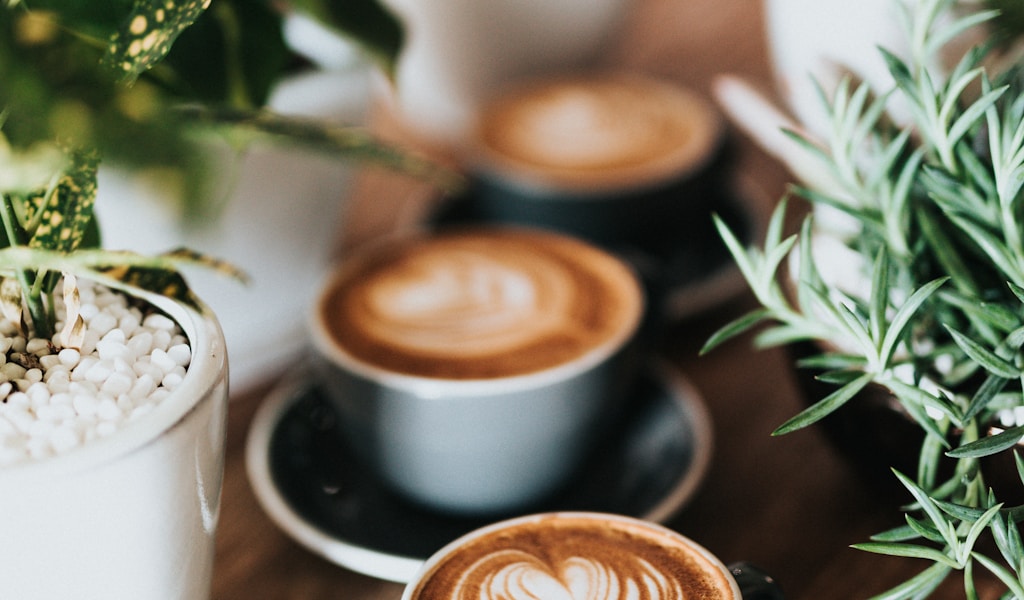
What makes this different: the carafe mixes milk and air inside a dual-chamber before dispensing. The result is dense, velvety microfoam – not the bubbly dish-soap froth you get from cheaper systems. There’s also a dial on top of the carafe to adjust foam density. Turn it to “Clean” and it flushes the tube automatically. You can toss the whole carafe (minus the tube) into the fridge when you’re done.
One thing I learned the hard way: use cold milk straight from the fridge. Warm milk doesn’t froth nearly as well. Also, whole milk outperforms 2% or skim – the LatteCrema needs that fat content for proper texture.
One-Touch Recipes – What You Actually Get
The ECAM29084SB model (the one I tested) has 7 one-touch drinks:
- Espresso
- Espresso Lungo
- Coffee (American-style long coffee)
- Americano
- Cappuccino
- Latte Macchiato
- Hot Water (for tea or Americano top-off)
The Evo Next model bumps this to 18 recipes and adds cold brew – but costs about $150 more. For most people, the base Evo’s 7 drinks cover 95% of what you’ll actually make. I use espresso and latte macchiato 80% of the time.
Each drink button remembers your last settings. If you prefer a longer espresso, press and hold the button, release when you have enough, and the machine remembers. Same for coffee strength – you can toggle between mild, medium, and strong via the “Aroma” button before brewing.
Bean-to-Cup – Fresh Grind, Every Single Time
This is the whole point of a super-automatic. The Magnifica Evo grinds beans directly into the brew chamber seconds before water hits them. No pre-ground staleness. No separate grinder taking up counter space.
The grinder uses steel conical burrs – not the cheap flat blades you find in entry-level machines. Conical burrs crush beans rather than slicing them, producing consistent particle size and preserving more oils and flavor. You can adjust the grind coarseness with a dial inside the bean hopper, but only while the grinder is actively running. That’s a safety feature, not a bug – adjusting while idle can jam the burrs.
There’s also a bypass chute if you want to use pre-ground coffee (say, decaf for an evening cup). It handles one scoop at a time. I rarely use it, but it’s there.
Adjustable Grind – Dial In Your Taste
The grind adjustment knob has 13 positions – from fine (1) to coarse (13). Factory default is 5, which works well for medium-roast beans. If your shots taste sour, go finer (3-4). If they taste bitter or the machine drips instead of flowing, go coarser (7-8).
Small tip: change only one click at a time. Changes don’t fully take effect until after the second shot with the new setting, since there’s residual ground coffee in the chute.
Auto-Clean Cycle – The “I Don’t Have Time” Feature
Every time you turn the machine on, it runs a quick internal rinse. When you turn it off, it rinses again. The milk carafe has a “Clean” position on the froth dial – turn it, and hot water flushes through the tube and spout. Takes 15 seconds.
About once a week, you’ll empty the drip tray and used coffee puck container (holds about 14 pucks before it needs emptying). The machine tells you when it’s full with a blinking light. The brew group – the removable heart of the machine – pulls out from the side panel and rinses under warm water. No soap needed. That’s a 2-minute job.
Descaling is the one real maintenance chore. The machine tracks how many cycles you’ve run and eventually flashes a descaling alert. You pour in De’Longhi’s EcoDecalk solution, press a few buttons, and the machine does the rest over about 30 minutes. You’ll do this every 3-4 months depending on your water hardness.
Real-World Performance: 12 Months of Daily Use
The Morning Speed Test
Here’s my actual weekday routine: walk to the machine, press the power button. It runs a 10-second rinse. I grab a cup, press “Latte Macchiato.” The machine grinds beans (about 8 seconds, relatively quiet at around 65 dB), extracts the shot, then the milk carafe kicks in and pours steamed milk and foam on top.
From power-on to drink-in-hand: roughly 90 seconds. The actual brew cycle from button press to finished drink is closer to 45 seconds. For a straight espresso, it’s about 30 seconds from button to cup.
If I’m making two lattes back-to-back (the real test for a household), the second drink starts about 15 seconds after the first finishes. The machine doesn’t need to reheat or recalibrate between drinks – the thermoblock heating system recovers almost instantly.
Espresso Quality – What $5.75 Gets You vs. What This Makes
Let’s be honest: this is not a $3,000 manual lever machine operated by a championship barista. But for a fully automatic machine under $600, the espresso punches well above its weight.
The crema is thick and persistent – a solid 3-4mm of golden-brown foam that sticks around for several minutes. Body is medium-full. I’ve tested it with Lavazza Super Crema beans (my go-to for super-automatics), a local medium roast, and a dark Italian roast. The machine handled all three well, though the dark roast produced noticeably richer shots with better crema – which is typical for pressurized brewing systems.
Temperature is consistent. De’Longhi uses a thermoblock (not a boiler), which means water heats on-demand rather than sitting in a reservoir. Shots come out between 175°F and 185°F depending on cup preheating – hot enough to sip immediately without burning your tongue.
If I’m being picky: the espresso doesn’t have quite the same complexity as what you’d get from a semi-automatic with a properly dialed-in grind and precise tamping. But on a Tuesday morning when you’re running late, the difference is negligible – and the Magnifica Evo wins every time on convenience.
Latte & Cappuccino Quality – The LatteCrema Difference
This is where the machine separates itself from competitors. The LatteCrema system produces genuinely good milk texture. Not “good for a super-automatic” – actually good.
The cappuccino cycle pours espresso first, then tops it with a thick layer of dense foam. The latte macchiato reverses the order – steamed milk first, then espresso poured through the milk for layered presentation. Both drinks come out at a drinkable temperature (not scalding) and the milk sweetness comes through clearly.
I’ve served lattes from this machine to guests who didn’t know it was automatic. Nobody’s ever said “this tastes like a machine made it.” The foam stays silky, not stiff, and integrates with the espresso rather than sitting on top like a dry cap.
The carafe holds enough milk for about 3-4 lattes before needing a refill. For a household with two coffee drinkers, you refill every other day. Single person? Once or twice a week.
Who This Machine Is For (And Who Should Skip It)
Buy the Magnifica Evo if:
- You currently buy coffee shop drinks 3+ times a week and want to stop bleeding money
- You want real espresso from fresh beans, not pods – but you don’t want to become a barista
- Milk drinks (lattes, cappuccinos) are your thing – the LatteCrema system is the best in this price range
- Counter space is limited – the Magnifica Evo is 9.5″ wide, compact for a super-automatic
- You want a machine that cleans itself – you’re too busy for a 15-minute daily maintenance ritual
Skip it if:
- You’re an espresso purist who wants to experiment with shot timing, pressure profiling, and single-origin light roasts. This isn’t that machine.
- You drink mostly black drip coffee – the “coffee” setting on this machine is essentially a long americano, not filter coffee
- You need a machine for a large office – the water tank and bean hopper aren’t big enough for 10+ people
What Could Be Better (Honest Cons After a Year)
No product is perfect. Here’s what bugs me after 12 months of daily use:
1. The drip tray fills up fast – and the sensor is dramatic. The machine has a red float indicator that pops up when the drip tray is full. In my experience, it triggers about every 5-6 drinks. That’s fine, but the machine refuses to brew at all until you empty it. There’s no override. When you’re half-asleep and just want coffee, this is annoying.
2. The water tank could be easier to fill. The 60-ounce capacity is generous, but the tank opening is narrow. If you’re filling from a standard kitchen faucet, you’ll need to angle the tank. I ended up buying a small watering can that I keep next to the machine just for refills.
3. No user profiles. If two people in the house prefer different drink strengths, you have to manually toggle the aroma setting each time. The more expensive Dinamica Plus remembers profiles, but the Magnifica Evo doesn’t.
4. The grinder is a bit loud. It’s not a jet engine – around 65 dB – but you won’t make coffee while someone sleeps in the next room without waking them. Comparable to a blender on low speed.
5. Milk carafe tube needs regular cleaning. The auto-clean function rinses the tube, but milk residue builds up over time. About once a month, you should remove the tube, soak it in warm soapy water, and run a small brush through it. De’Longhi sells a cleaning kit, but honestly, a pipe cleaner works fine.
De’Longhi Magnifica Evo vs. Philips 3200 LatteGo vs. Jura E8
Three machines, three price points, one question: which one should you buy?
| Feature | De’Longhi Magnifica Evo | Philips 3200 LatteGo | Jura E8 |
|---|---|---|---|
| Price (approx.) | $549.95 | $589.00 | $2,799.00 |
| One-touch drinks | 7 | 5 | 17+ |
| Milk system | LatteCrema carafe (dual-chamber foam) | LatteGo (single-chamber, no tubes) | Fine Foam frother (auto) |
| Milk carafe dishwasher-safe | Yes (carafe only, not tube) | Yes (entire unit, no tubes) | No |
| Grinder type | Steel conical burr, 13 settings | Ceramic flat burr, 12 settings | Steel conical burr (Aroma G3), 6 settings |
| Water tank | 60 oz | 60 oz | 63.6 oz |
| Bean hopper | 8.8 oz | 9.7 oz | 9.9 oz |
| Used puck capacity | 14 pucks | 12 pucks | 20 pucks |
| User profiles | No | No | Yes (customizable) |
| Dimensions (W x D x H) | 9.5″ x 17.3″ x 13.8″ | 9.7″ x 17″ x 14.6″ | 11″ x 17.5″ x 13.8″ |
| Brew group removable | Yes | Yes | No (requires service) |
| Amazon rating | 4.0 ★ (1,600+ reviews) | 4.0 ★ (6,100+ reviews) | 4.5 ★ (60+ reviews) |
De’Longhi Magnifica Evo vs. Philips 3200 LatteGo
These two are the closest competitors. The Philips 3200 LatteGo is $40 more at $589, has 5 drink options instead of 7, and uses a tube-free milk carafe that’s entirely dishwasher-safe. Its ceramic grinder theoretically lasts longer but produces slightly less consistent results than De’Longhi’s steel burrs based on owner reviews.

The real difference: LatteGo’s milk foam is lighter and airier – better for cappuccinos. LatteCrema’s foam is denser and silkier – better for lattes. If you prefer heavy, creamy foam, go De’Longhi. If you want easy cleanup above all else, the Philips is slightly easier.
Both are excellent. You can compare the Philips 3200 LatteGo here.
De’Longhi Magnifica Evo vs. Jura E8
The Jura E8 costs about $2,800 – five times more. What do you get? More drink options (17+), a touchscreen interface, user profiles, a more refined grinder, and the prestige of the Jura brand. The coffee is marginally better – but not five times better.
The Jura’s fatal flaw: the brew group is not removable. When it needs deep cleaning (and it will), you’re paying a technician or shipping it for service. The De’Longhi brew group pops out in 5 seconds and rinses under a tap.
Unless you have a serious budget and want the absolute best automatic espresso experience money can buy, the Magnifica Evo is the smarter pick by a mile.
The Verdict: Best Value Super-Automatic You Can Buy Right Now
After 12 months and roughly 700 drinks, the De’Longhi Magnifica Evo is the machine I’d recommend to anyone who wants real espresso without the learning curve. It’s not the flashiest. It’s not the cheapest. But it hits the absolute sweet spot of price, quality, and convenience.
At $549.95 (and often less during sales), the math is simple: if you currently spend $25/week at coffee shops, this machine pays for itself in under 6 months. After that, you’re drinking cafe-quality lattes for roughly 35 cents in beans and milk per drink.
The LatteCrema system is the best milk frother in the sub-$800 category. The bean-to-cup workflow eliminates every excuse for not making coffee at home. The maintenance is manageable even for people who hate maintenance.
If you’re ready to stop donating $5.75 at a time to your local coffee chain, check the current price on Amazon.
Essential Accessories for Your Magnifica Evo
These are the things I actually buy and use with this machine:
- DLSC002 Water Filters – Replace every ~2 months. The machine tracks this for you. A 4-pack of compatible filters costs about $18. Genuine De’Longhi filters run $12 each.
- EcoDecalk Descaling Solution – You need this every 3-4 months. One bottle ($17) covers 5 descaling cycles. Don’t use vinegar – it can damage internal seals.
- Quality Whole Beans – The machine is only as good as what you put in it. Medium to medium-dark roasts work best. Oily dark roasts can clog the grinder over time.
Frequently Asked Questions
How often do I need to descale the Magnifica Evo?
The machine will tell you. Based on your water hardness setting (you can test with the included strip), it typically triggers every 3-4 months. The descaling process takes about 30 minutes from start to finish, but most of that is the machine running on its own – your hands-on time is maybe 5 minutes.
Can I use pre-ground coffee in this machine?
Yes – there’s a bypass chute on top. You scoop in one serving of pre-ground coffee, select “pre-ground” mode, and brew. Handy for decaf or if you run out of whole beans. The machine automatically detects which mode to use based on whether the chute flap is open.
What’s the difference between the Magnifica Evo models?
The ECAM29084SB (reviewed here) has the LatteCrema automatic milk system with 7 one-touch drinks. The ECAM29043SB has a manual steam wand instead – cheaper, but you froth milk yourself. The Magnifica Evo Next adds more recipes (18), cold brew capability, and a slightly updated interface. The Magnifica Plus adds user profiles and a touchscreen. All share the same core brewing system and grinder.
Does it work with oat milk or almond milk?
It does, with mixed results. Oat milk (especially barista blends like Oatly Barista Edition) froths surprisingly well in the LatteCrema carafe – better than almond milk, which tends to be thin and watery. Avoid coconut milk; it tends to separate. Whatever alternative milk you use, clean the tube immediately after – plant milks leave residue faster than dairy.
How long will this machine last?
De’Longhi super-automatic machines regularly last 5-8 years with proper maintenance (descaling on schedule, replacing water filters, cleaning the brew group monthly). The brew group and grinder are the main wear components. De’Longhi offers a 2-year warranty (extended to 3 years if you register the product). Replacement brew groups cost around $60-80 if needed outside warranty.
Is the Magnifica Evo loud?
The grinder is the loudest part – about 65 decibels, similar to a quiet blender or an electric toothbrush. It runs for about 8 seconds per shot. The brewing itself is quiet. You’ll hear it in the next room but it won’t shake the house. If you’re making coffee at 5 AM with a sleeping family, put the machine as far from bedrooms as possible.
Still not sure which espresso machine fits your life? Read our full espresso machines guide – we compare every type, from manual to fully automatic, at every budget.
Beansage is a participant in the Amazon Services LLC Associates Program, an affiliate advertising program designed to provide a means for sites to earn advertising fees by advertising and linking to Amazon.com. As an Amazon Associate, we earn from qualifying purchases.
Affiliate Disclosure: As an Amazon Associate, beansage.com earns from qualifying purchases. When you buy through our links, we may earn a commission at no extra cost to you. We only recommend products we stand behind.
Leave a Reply