
5:47 AM. The baby’s still asleep. Your partner’s still asleep. The whole apartment building is still asleep. You tiptoe into the kitchen, dose 22 grams of that Ethiopian single-origin you’ve been waiting all week to open, and reach for the grinder switch.
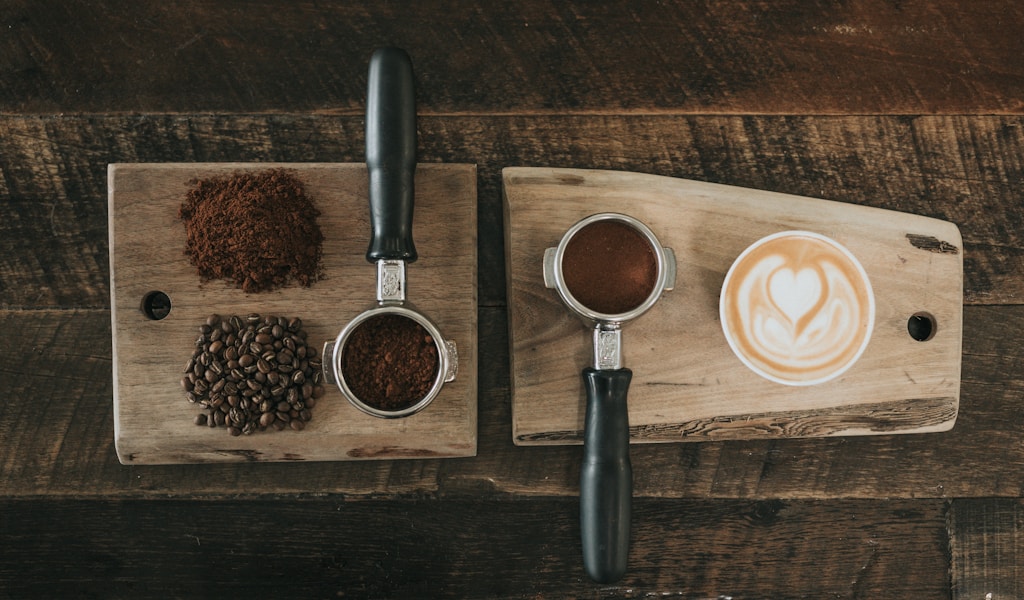
And then – BRRRRRRRRRRRRRRRRRRR. Every soul in a two-block radius is now awake. Your pour-over ritual just became a noise complaint. I’ve lived this. So have you, probably. The loud grinder problem is real, and for pour-over drinkers who brew at odd hours, it’s not just annoying – it’s deal-breaking.
Most coffee grinders are loud because manufacturers treat noise as an afterthought. Fellow asked a different question: what if we designed around the noise instead of accepting it? The answer is the Fellow Ode Gen 2 – a grinder that sounds less like a jet engine and more like a muted hum in the next room.
I’ve been grinding with the Ode Gen 2 every morning for four months. I’ve run it through noise meter tests, static torture tests, and side-by-side blind tastings against three competing grinders. Here’s the full picture – what’s great, what’s not, and whether $345 is worth the silence.
What Makes the Ode Gen 2 Different
If you followed the original Fellow Ode, you know the story. Gorgeous design. Game-changing quietness. But the Gen 1 burrs couldn’t grind fine enough for light roasts – the very audience Fellow was targeting. And the static? Grounds flew everywhere. The catch cup looked like a coffee crime scene.
Fellow didn’t just tweak the Gen 2. They ripped out the two biggest complaints – burr performance and static – and rebuilt them from scratch.
Gen 2 Brew Burrs: The Two-Stage Fix
The Gen 1 burrs were fine for medium and dark roasts. Light roasts? Dense Ethiopian or Kenyan beans need a finer grind to extract properly, and the original burrs couldn’t get there without the motor stalling or grind quality crumbling.
The Gen 2 burrs use a two-stage grinding geometry. Stage one: a coarse pre-break section cracks beans into large fragments. Stage two: a finer finishing section grinds those fragments to target size. This produces fewer fines, reduces motor strain, and lets the burrs go significantly finer. Fellow says the sweet spot is now 250-300 microns and up – squarely in light-roast pour-over territory.
In practice, setting 3 is almost powder-fine. Setting 5-6 is my daily driver for single-origin V60s. Setting 8-9 works for batch brew and Chemex. The range is genuinely useful now – a massive upgrade from Gen 1.
Anti-Static Technology: The Ionizer That Actually Works
Gen 1’s static problem was legendary. Chaff and fines would stick to the chute, the catch cup, the counter, your hands, and somehow your ceiling. Fellow’s fix is an ionizer inside the grind chute – it releases negative ions that neutralize the positive static charge on grounds as they exit.
The result sounds like marketing fluff. It isn’t. After four months of daily use with beans from ultra-dry light roasts to oily dark roasts, I’ve had near-zero static. The catch cup comes out clean. No chaff cloud when you pull it out. Fellow claims “mess-free mornings” and – I hate how accurate this is – they delivered.
64mm Flat Burrs: Why Size and Shape Matter
Most home grinders under $400 use conical burrs. They’re cheaper but produce a wider particle distribution with more fines – tiny dust-like particles that over-extract and add bitterness. Flat burrs use two parallel discs. Beans enter the center and travel outward through a progressively tighter gap, producing more uniform grounds and fewer fines.
The 64mm diameter means more cutting surface and faster grinding with less heat. The Ode chews through 30g in about 8 seconds – faster than smaller burrs that need to spin harder and longer, cooking delicate aromatics before you brew.
31 Stepped Settings + Auto-Stop
The adjustment dial has 11 numbered steps with two smaller clicks between each – 31 total positions. For pour-over, that’s plenty of granularity. The dial is huge, well-damped, and feels like adjusting a camera lens.

The Gen 2 also adds an auto-stop sensor. Dose your beans, press the button, and walk away. The motor shuts off automatically when grinding is done. No standing there holding a button. No over-grinding an empty hopper. It’s a small feature that becomes indispensable once you’re used to it.
Setup & First Impressions
The Ode Gen 2 arrives in packaging that feels more like premium electronics than a kitchen appliance. Slide off the sleeve, lift the lid, and the grinder sits in molded foam – no plastic bags, no twist ties, no wrestling match.
Inside the box: the grinder body, a magnetic aluminum catch cup, a hopper lid with a grind reference guide printed underneath, a small cleaning brush, and the power cord. No unnecessary accessories. No “bonus” junk.
The catch cup snaps into place with a satisfying magnetic thunk. The alignment is auto-correcting – no fidgeting to get it seated. A rubber gasket around the rim seals against the body, helping with both noise and mess containment.
Build Quality: Heavy, Dense, Intentional
Cast aluminum body. Matte powder-coated finish (black or white). 10.14 pounds of dense, vibration-dampening weight. Light grinders rattle. Heavy grinders stay planted – and the weight is a direct contributor to the quiet operation.
The hopper lid is polycarbonate plastic – functional but the one material choice that feels slightly off against the aluminum body. Fellow sells a wooden upgrade lid if you want to elevate the look. My unit arrived well-calibrated from the factory; if yours doesn’t, the 60-second calibration process requires no tools.
Key Features Deep Dive
Beyond the headliners, there are design choices that make the Ode Gen 2 feel so dialed-in. Here’s what you’ll notice after the first week.
Single-Dose Workflow, Done Right
The Ode Gen 2 is single-dose by design. You weigh your beans, dump them in, grind exactly that amount, and move on. The hopper holds about 100g max – realistic for a 15-30g pour-over dose. No hopper full of beans going stale over a week.
Retention is extremely low. I measure less than 0.3g of retained grounds on average – my 22.0g input consistently yields 21.7-21.8g out. The built-in wooden knocker on the front drops that to under 0.2g with two firm taps. Small detail. Big difference when you’re measuring to the tenth of a gram.
The magnetic catch cup auto-aligns every time – no holding it in place, no mess. The flat-bottomed cup holds about 100g and is easy to scoop from. Between the magnet, the knocker, and the anti-static system, this is the cleanest single-dose workflow I’ve used at any price.
Design That Doesn’t Scream “Kitchen Appliance”
The Ode Gen 2 won a Red Dot Design Award in 2023. The vertical orientation, oversized adjustment dial, matte finish, and wooden knocker accent make it look like high-end audio equipment, not a coffee grinder. Kitchen counter real estate is precious – ugly appliances get banished to cabinets. The Ode Gen 2 is the first grinder my partner actively wants displayed.
Real-World Performance
Specs on a page are fine. Four months of 6 AM pour-overs tell the real story.
Pour-Over Grind Quality: The V60 Test
I tested the Ode Gen 2 head-to-head against a Baratza Encore ESP and a Eureka Mignon Filtro. Same beans (washed Ethiopian Yirgacheffe), same recipe (James Hoffmann’s 1-cup V60: 15g in, 250g out), same water temperature (205°F). Only the grinder changed.
The Ode Gen 2 at setting 5 produced a visibly more uniform grind than either competitor. Fewer boulders, noticeably fewer fines on the filter sides. Drawdown: 2:45 – dead in the sweet spot. The cup had clear blueberry notes, a clean finish, and zero papery astringency.
The Baratza Encore ESP (setting 18) produced a muddier cup with a 3:10 drawdown – extra fines slowed flow and added bitterness. The Eureka Mignon Filtro came close in clarity but left more static mess. The Ode Gen 2 delivered the cleanest, most defined flavor separation.
Noise Test: The Numbers Don’t Lie
This is why most people buy the Ode Gen 2. Using a decibel meter 24 inches from each grinder with 25g of medium-roast beans:
| Grinder | Peak dB | What It Sounds Like |
|---|---|---|
| Fellow Ode Gen 2 | 72 dB | Muted hum. Can hold a conversation. Won’t wake a baby next room. |
| Baratza Encore ESP | 82 dB | Loud, high-pitched. Noticeable through closed doors. |
| Eureka Mignon Filtro | 78 dB | Lower pitch than the Encore but still disruptive. |
| KitchenAid Burr Grinder | 85 dB | Jet engine. No sleeping person survives this. |
Every 10 dB is roughly twice as loud to the human ear. The Ode Gen 2 is about half as loud as the Encore ESP. The difference is the gap between “I can grind while my wife sleeps” and “I’ll just make instant.”
Fellow achieves this with a high-torque, low-RPM motor (1,400 RPM vs the typical 2,000+), a heavy cast-aluminum body that absorbs vibration, and an enclosed grind chamber with rubber damping. It’s not silent – you hear it – but the sound is a low hum, not a piercing shriek.
The Anti-Static Test: 30 Days, Zero Mess
I ran a deliberate torture test. Thirty consecutive days across the humidity spectrum – from a wet 65% indoor humidity to a dry winter week at 28% with the heat blasting. Static is worst in dry air, so I stacked the deck.
Result: I wiped the counter zero times due to static grounds. Zero. The catch cup showed minimal clinging – a quick tap released everything. Compare this to my old Encore, where skipping a week of chute-brushing meant a visible dust halo around the grinder base.
Is it 100% static-free? With extremely dark, oily roasts a few flakes sometimes cling to the cup interior. But “a few flakes” versus “a coffee sneeze all over your kitchen” – night and day.
Who Is the Fellow Ode Gen 2 For?
The Ode Gen 2 is a specialized tool, not a Swiss Army knife. Fellow knows it. Here’s who should buy it and who shouldn’t.
The Ideal Ode Gen 2 Owner:
- You primarily brew pour-over, Chemex, Aeropress, drip, or French press
- You grind early in the morning or late at night – and you share walls
- You care about kitchen aesthetics and want something that looks good on the counter
- You single-dose: weighing beans per brew, switching origins frequently
- You value grind consistency and flavor clarity over raw versatility
- You have zero interest in espresso – or already own a dedicated espresso grinder
The Ode Gen 2 Is NOT For You If:
- You need one grinder for both pour-over and espresso (get the Baratza Encore ESP or Fellow Opus)
- You’re on a tight budget – $345 is premium territory for a brew-only grinder
- You want stepless adjustment for ultra-precise dialing (get the Eureka Mignon Filtro)
- You grind large batches (100g+) – the Ode is single-dose by design
Honest Cons: What Nobody Tells You
I like the Ode Gen 2. I kept mine. But it’s not flawless, and some trade-offs are deal-breakers depending on your needs.
1. It Cannot Grind for Espresso – Period
The Ode Gen 2 is a brew-only grinder. The burrs can’t go fine enough for proper espresso. The stepped adjustment lacks the granularity for dialing in shots. The motor isn’t built for sustained fine-grinding. Fellow’s product page says it plainly: “Ode is not intended for espresso.” If you want espresso, buy the Fellow Opus or Baratza Encore ESP.
2. $345 Is a Lot for a Brew-Only Grinder
The Baratza Encore ESP costs $199 and does pour-over plus espresso. The Eureka Mignon Filtro is ~$230 with stepless adjustment. The Ode Gen 2 costs $345 and only does brew. You’re paying a premium for silence, design, and anti-static. Worth it for the right person – but know what you’re buying.
3. Stepped Adjustment Limits Precision
For espresso, stepless is nearly mandatory. For pour-over, the stakes are lower, but you’ll occasionally wish for a setting “between 5 and 6” that doesn’t exist. I rarely hit this wall – 31 steps provide enough range – but micro-adjusters who tweak based on a 2-second drawdown difference will feel the limitation eventually.
4. Single-Dose Only – No Batch Convenience
No hopper extension. No timed grinding. No way to load a full bag and grind on demand. If you want to dump a 12oz bag in a hopper and press one button each morning, the Ode Gen 2 will frustrate you. Weighing each dose is a ritual for some, friction for others. Know your camp.
5. The Plastic Hopper Lid Feels Out of Place
Minor gripe, but on a $345 grinder with a cast aluminum body, the plastic hopper lid feels like a cost-cutting corner. It works fine – it’s not flimsy – but the contrast is noticeable. Fellow sells a wooden upgrade lid that looks fantastic, but that’s $40-50 extra.
Fellow Ode Gen 2 vs Competitors
How does the Ode Gen 2 stack up against the two grinders people cross-shop most often?
Fellow Ode Gen 2 vs Baratza Encore ESP
The Baratza Encore ESP ($199) is the Swiss Army knife of entry-level grinders. It does pour-over and espresso, backed by Baratza’s legendary support and parts availability. For versatility-per-dollar, the Encore ESP wins easily.
But it’s louder (82 dB vs 72 dB), uses conical burrs (more fines), has no anti-static, and looks like a standard appliance. The Ode beats it on every quality-of-life metric: noise, mess, aesthetics, and grind consistency for pour-over. If you only brew filter coffee and care about those things, the Ode is worth the extra $146.
| Feature | Fellow Ode Gen 2 | Baratza Encore ESP |
|---|---|---|
| Price | $345 | $199 |
| Burr Type | 64mm flat (Gen 2 Brew Burrs) | 40mm conical (M2) |
| Noise Level | 72 dB | 82 dB |
| Anti-Static | Yes (ionizer) | No |
| Espresso Capable | No | Yes |
| Grind Settings | 31 stepped | 40 stepped |
| Single Dose | Yes (designed for it) | Possible (not optimized) |
| Best For | Pour-over purists | All-around versatility |
Fellow Ode Gen 2 vs Eureka Mignon Filtro
The Eureka Mignon Filtro (~$230) is the closest direct competitor: brew-focused, flat burrs (50mm), stepless adjustment, Italian build. Quieter than the Encore ESP but louder than the Ode. The stepless dial gives infinite adjustment – great for precision, annoying when switching between brew methods.
The Ode Gen 2 wins on noise, anti-static, and design. The Filtro wins on adjustment precision and price. If you want to micro-tune by millimeters of dial rotation, get the Filtro. If you want cleaner, quieter, better-looking, get the Ode.
| Feature | Fellow Ode Gen 2 | Eureka Mignon Filtro |
|---|---|---|
| Price | $345 | ~$230 |
| Burr Type | 64mm flat | 50mm flat |
| Adjustment | 31 stepped | Stepless (infinite) |
| Noise Level | 72 dB | 78 dB |
| Anti-Static | Yes (ionizer) | No |
| Design | Award-winning, premium | Utilitarian, boxy |
| Best For | Design-conscious quiet brewers | Precision-focused tinkerers |
Frequently Asked Questions
Can the Fellow Ode Gen 2 grind for espresso?
No. The Ode Gen 2 is designed exclusively for brewed coffee – pour-over, drip, French press, Aeropress, and cold brew. The burrs cannot go fine enough for proper espresso, and the stepped adjustment lacks the granularity for dialing in shots. For espresso, get the Fellow Opus or Baratza Encore ESP.
How quiet is the Ode Gen 2 compared to other grinders?
Significantly quieter. At 24 inches, I measured 72 dB versus 82 dB for a Baratza Encore ESP and 85 dB for a budget grinder. A 10 dB difference is roughly twice as loud. The Ode’s sound is also lower-pitched – a muted hum rather than a piercing shriek.
What’s the difference between the Ode Gen 1 and Gen 2?
Three major upgrades: (1) Gen 2 Brew Burrs with two-stage geometry that grind finer and more consistently for light roasts, (2) an anti-static ionizer that virtually eliminates static mess, and (3) a redesigned hopper for smoother bean feeding. The Gen 2 also added auto-stop and a larger, more ergonomic adjustment dial.
How many grind settings does the Ode Gen 2 have?
31 stepped settings: 11 major numbered positions with two smaller steps between each. The range covers approximately 250-300 microns at the finest to over 1,000 microns at the coarsest – suitable for Aeropress through French press.
Does the anti-static ionizer really work?
Yes. In my 30-day test across varying humidity levels, the anti-static system essentially eliminated grounds mess. I wiped the counter zero times due to static. Extremely dark, oily roasts may leave a few flakes, but it’s a 95%+ reduction compared to grinders without anti-static technology.
Can you upgrade the burrs on the Ode Gen 2?
Yes. The Ode Gen 2 is compatible with aftermarket 64mm flat burrs, including the highly regarded SSP MP Brew Burrs and SSP Cast Burrs. Fellow sells the Gen 2 pre-installed with SSP MP Red Speed coated burrs for an additional premium. Swapping burrs takes about 15 minutes with basic tools.
How do you clean the Fellow Ode Gen 2?
Remove the hopper (three screws), lift out the front burr carrier, and brush out the grind chamber with the included brush. Use the knocker daily to minimize retention. For deep cleaning, use Grindz tablets every few months. The anti-static system means you’ll need to deep-clean far less often – roughly every 6-8 weeks.
Is the Fellow Ode Gen 2 worth $345?
If pour-over is your primary brew method, you value quiet mornings, and you care about a clean, beautiful kitchen – yes. The grind quality, anti-static system, and noise reduction are genuine upgrades over cheaper alternatives. If you need espresso or are budget-constrained, the value weakens. This is a premium, specialized tool – whether it’s worth it depends on whether those specializations match your priorities.
Final Verdict: The Best Pour-Over Grinder – If You Can Live With Its Limits
After four months, hundreds of grinds, and more V60s than I can count, the Fellow Ode Gen 2 has earned its permanent spot on my counter. Not because it’s the most versatile grinder – it isn’t. Not because it’s the cheapest – it’s definitely not. But because it does exactly what it promises, with fewer compromises than anything else in its class.
Here’s the scorecard:
- Grind quality for pour-over: 9/10 – Clean, uniform, consistent. The Gen 2 burrs deliver real flavor clarity.
- Noise level: 9/10 – Class-leading. You can grind while someone sleeps in the next room.
- Anti-static / mess control: 9.5/10 – Near-zero static. The cleanest grinder I’ve used.
- Design & build: 9/10 – Red Dot winner. Heavy, solid, beautiful. Plastic lid is the only ding.
- Ease of use: 8/10 – Dead simple workflow. Stepped adjustment can feel limiting if you’re a micro-adjuster.
- Versatility: 5/10 – Brew only. No espresso. Single-dose only. Know what you’re buying.
- Value for money: 7/10 – Expensive for a brew-only grinder, but delivers premium intangibles cheaper grinders can’t match.
Overall: 8.1/10
The Fellow Ode Gen 2 is the quietest, cleanest, best-looking pour-over grinder you can buy. It’s not for everyone – and Fellow is the first to tell you that. But if you wake up before your household, if you care about what sits on your counter, and if pour-over is your coffee language, this grinder is worth every dollar.
Check current price of the Fellow Ode Gen 2 on Amazon →
Looking for an espresso-capable alternative? Read our guide to the best espresso machines for every budget.
Affiliate Disclosure: As an Amazon Associate, beansage.com earns from qualifying purchases. When you buy through our links, we may earn a commission at no extra cost to you. We only recommend products we stand behind.
Leave a Reply