
6:47 AM. Your alarm didn’t go off. The kids need breakfast. You have a Zoom call in 18 minutes. And all you want – all you really want – is a latte that doesn’t taste like burnt office coffee.
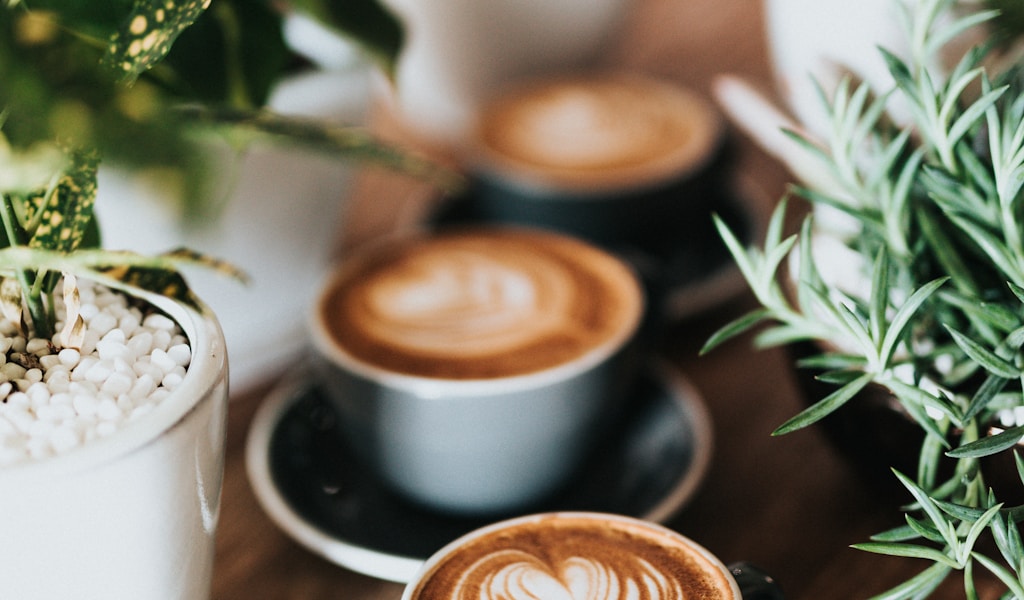
I’ve been there. For years I did the drive-thru shuffle. $6.42 per latte. 4-5 times a week. Do the math and you’ll cringe – I sure did.
Then I bought the Philips 3200 LatteGo. Eight months later, I’ve made over 600 drinks with it. My morning routine went from “how do I survive this” to “push a button, grab my mug, walk away.”
This isn’t a spec-sheet review. It’s eight months of real ownership – the good, the annoying, and the “why didn’t I buy this years ago.”
If you’re a busy person who loves lattes and cappuccinos but hates the whole barista rigmarole, stick around. By the end of this review, you’ll know exactly whether the Philips 3200 LatteGo belongs on your counter – or whether you should buy something else entirely.
The LatteGo Milk System Explained (And Why It’s Different)
Most super-automatic espresso machines use a tube. Milk goes in a container, a hose sucks it up, steam froths it, and you spend 5 minutes disassembling and scrubbing before the tubing turns into a science experiment. Philips threw that whole design out.
The LatteGo system is a two-piece carafe with no tubes. None. The milk sits in the top chamber. A high-speed spinning disc whips it into froth at the bottom. Then the frothed milk pours straight into your cup through a spout. No milk ever touches the internal machinery.
What does that mean in practice? Two things:
- The froth is genuinely good. Dense, silky, holds its shape. Not the sad, bubbly foam you get from those handheld wand frothers.
- Cleanup is borderline absurd. You rinse the two-piece carafe under the sink. That’s it. No disassembly. No tiny brushes. No tubing to snake.
The 15-Second Cleaning Nobody Talks About Enough
I timed it. From the moment I finish my latte to the moment the LatteGo carafe is sitting clean on my drying rack: 15 seconds.
Snap the top off. Rinse both pieces under hot water. Done.
Compare that to a traditional steam wand setup – purge, wipe, purge again, soak the tip, scrub dried milk off later – or to the De’Longhi LatteCrema system that has 5+ parts to disassemble weekly. The LatteGo has two parts. Two.
If you’ve ever avoided making a milk drink because you didn’t want to deal with the cleanup, this feature alone changes your daily coffee habits. I went from making maybe 2 lattes a week on my old semi-automatic to making 2 lattes a day.
Philips says you can put the whole thing in the dishwasher. I never have. The rinse takes less time than opening my dishwasher.
Setup & First Impressions
What’s in the Box
Here’s everything that came with my EP3241/54 model:
- The Philips 3200 machine itself
- LatteGo milk carafe (two pieces)
- AquaClean water filter (pre-installed)
- Grease tube for the brew group
- Measuring scoop
- Water hardness test strip
- Quick start guide and manual
Getting It Running (Under 10 Minutes)
I pulled the machine out of the box at 3 PM. By 3:09, I was drinking my first cappuccino.
The setup process is dead simple. Fill the water tank. Pour beans in the hopper. Plug it in. The touch screen walks you through a few priming cycles – activate the AquaClean filter, run the LatteGo through a cleaning cycle. That’s it.
The machine has a surprisingly compact footprint – about 17 inches deep, 10 inches wide. It fits under standard upper cabinets. My old drip coffee maker actually took up more counter space.
Build quality? Let me be honest – it’s mostly plastic. The drip tray, side panels, water tank lid. All plastic. It doesn’t feel cheap, exactly. But it doesn’t feel like a $600+ appliance. If you’re coming from a Breville with its stainless body, the 3200 might underwhelm in the materials department. The internals are where the money went.
Key Features That Actually Matter Day to Day
Spec sheets are boring. Let me walk through the features that have genuinely impacted my daily routine – not the ones Philips puts in bold on the box.
One-Touch Drinks (5 Pre-Sets, No Thinking Required)
The 3200 gives you five drink buttons right on the front: Espresso, Coffee, Cappuccino, Latte Macchiato, and Americano.

Tap any of them and the machine handles everything. Grind the beans. Tamp. Brew. Froth the milk. Pour it in the right order. Stop at the right time. All you do is put a cup under the spout.
The Latte Macchiato button is my most-pressed. The machine pours the frothed milk first, then brews the espresso on top, creating that layered look that makes you feel like a real barista even though your only skill was pressing a button.
Here’s the real morning test: I can start a latte macchiato, walk to the fridge to grab my lunch, and come back to a finished drink. Total hands-on time: maybe 10 seconds. For someone who used to spend 5-7 minutes pulling a shot and steaming milk manually, that’s life-changing.
100% Ceramic Grinder (12 Settings, Quiet-ish)
The grinder inside the 3200 is a flat ceramic burr grinder with 12 adjustment levels. Ceramic matters because it doesn’t heat up the beans the way steel burrs can – heat kills coffee flavor before you even brew it.
I keep mine at setting 4 (the default was 6). For medium and medium-dark roasts, this hits the sweet spot. You adjust it using a little knob inside the bean hopper – it only works while the grinder is actively running, which is slightly annoying but prevents you from breaking the mechanism by adjusting on static beans.
Is it the best grinder in the world? No. It’s not a standalone $300 grinder. But it’s consistent, and consistency is what matters for daily use. My shots taste the same on Monday as they do on Thursday. For a built-in grinder at this price point, that’s solid.
About the noise: it’s a grinder. It makes grinding noises. It won’t wake a sleeping baby in the next room, but if someone’s on the couch 10 feet away, they’ll notice. I’d call it average – quieter than my old Breville grinder, louder than the Jura E8 (which costs 3x as much, so fair enough).
AquaClean Filter (5,000 Cups Without Descaling)
Most espresso machines demand descaling every 2-3 months. It’s a 30-minute process involving special solutions, running cycles, rinsing, and waiting. Nobody does it on schedule. Then the machine breaks.
The AquaClean filter changes the math entirely. Philips claims up to 5,000 cups before you need to descale. I’m at 8 months and roughly 600 drinks, and the machine still says the filter is going strong. At my rate, I’ll descale once every few years.
Replacement filters run about $16 for a 2-pack.
My Coffee Choice & User Profiles
The “My Coffee Choice” feature lets you tweak three variables per drink: aroma strength (amount of coffee grounds), coffee volume, and milk volume. Three simple levels each.
You don’t get granular temperature control or exact gram measurements. But for 95% of people, having three strength levels and three volume levels per drink covers everything they’ll ever need. I set my lattes to max strength and medium milk. My wife prefers medium strength and extra milk. Switching takes one button press.
There are also two user profile slots. Press the little person icon, pick profile 1 or 2, and the machine remembers that person’s preferred settings for every drink type. Press profile 1, press Latte Macchiato, and the machine makes my exact drink. It’s a small feature but it saves those 8-10 seconds of adjusting every single time. When you make 3+ drinks a day, that adds up.
Real-World Performance: The Drinks
Features are nice. But you’re here because you want to know one thing: does it make good coffee?
I’ve tested every drink on this machine dozens of times. Here’s the honest breakdown.
Latte Quality: 8.5/10
The Latte Macchiato is this machine’s superpower. The milk comes out hot, dense, and velvety – not the stiff, dry foam you get from panarello wands, but a proper wet microfoam that blends beautifully with the espresso.
Is it the same as a latte from a trained barista using a $3,000 commercial machine? No. Let’s be real. But is it 90% of the way there with 1% of the effort? Absolutely.
The espresso base comes through nicely. At the max strength setting, the coffee flavor cuts through the milk cleanly. Medium roasts shine here – the 3200 pulls enough richness to stand up to 6-8 ounces of milk without getting lost. Dark roasts can get a touch bitter at the default grind setting (dial it coarser if you prefer oily French roast beans).
Cappuccino Froth: 8/10
The cappuccino setting uses less milk and produces a thicker, drier foam – as a cappuccino should. The milk-to-espresso ratio is roughly 1:1:1 (espresso, steamed milk, foam), which is traditional.
My one gripe: you can’t adjust the froth density independently. The LatteGo carafe has a single spinning disc speed, and the machine decides froth thickness based on the drink you select. The cappuccino foam is good, but if you’re the type who wants complete control over wet vs. dry foam, you’ll find the system a bit rigid.
That said, pour a shot of caramel syrup in the bottom of your cup before hitting the cappuccino button, and you’ve got a drink that would cost you $6.50 at the cafe down the street. I’ve served these to guests and nobody has ever guessed it came from a push-button machine.
Straight Espresso Shots: 7/10
This is where the 3200 shows its limitations.
The espresso shot is decent – rich, warm, with a thin but present crema. But if you’re a purist who drinks straight shots and obsesses over extraction times, this machine will frustrate you. You can’t adjust temperature, pre-infusion, or shot timing. The 3200 prioritizes consistency over brilliance – every shot tastes about the same, and “about the same” is pretty good, not great. For milk drinks, that’s all you need. The milk does the heavy lifting.
Daily Speed Test: From Bed to Latte
I timed a typical morning: wake up, walk to the kitchen, make a latte macchiato.
- Walk to kitchen, place mug under spout: 5 seconds
- Press profile button, press Latte Macchiato: 3 seconds
- Machine grinds, brews espresso, froths and pours milk: ~90 seconds
- Remove mug, rinse LatteGo carafe: 15 seconds
Total hands-on time: under 25 seconds. Total elapsed time: under 2 minutes. For a second drink, swap mugs and press the button again – the machine is ready instantly, no waiting for boilers to recover.
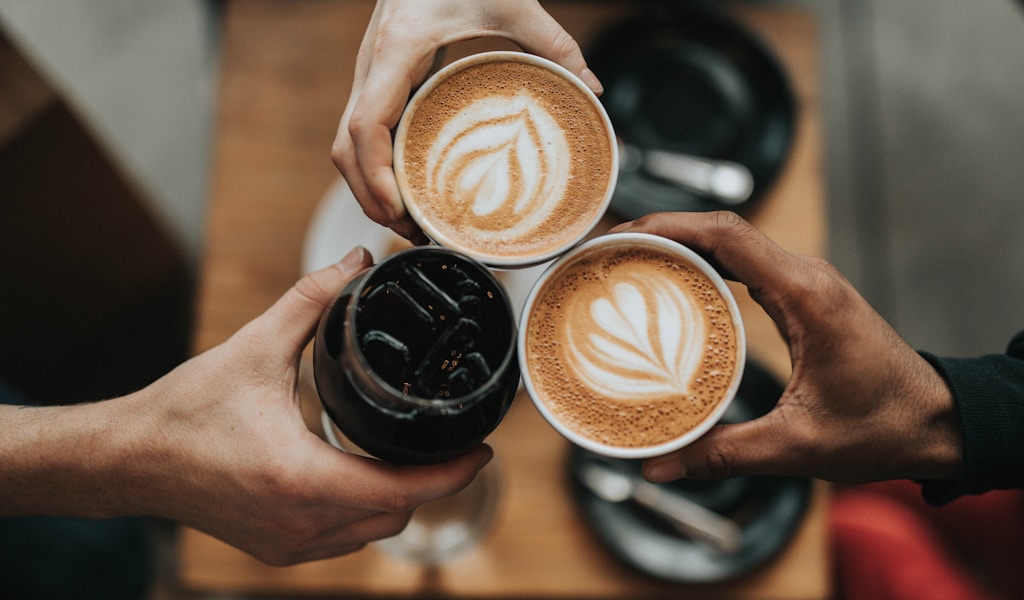
I’ve made 4 lattes back to back for guests in about 6 minutes. The quality doesn’t degrade across consecutive drinks, which is more than I can say for some budget semi-automatics.
Honest Cons: What I Wish Philips Would Fix
No product is perfect. After 8 months, here’s what genuinely bothers me about the 3200:
1. The Plastic Build
I mentioned this earlier but it bears repeating. At $550-650 (current street price), this machine is competing with Breville’s stainless-steel-bodied machines. The 3200 looks sleek in photos but feels less premium in person. The drip tray, the water tank lid, the side panels – all hard plastic. It’s durable enough (mine shows zero wear after 8 months), but it doesn’t feel like a luxury appliance.
2. Limited Customization
Three aroma levels and three volume levels. That’s your adjustment range. No temperature control. No shot-time adjustment. No pre-infusion tweaking. The grinder has 12 settings, which is fine, but accessing the adjustment dial inside the bean hopper is a minor inconvenience every time.
If you’re the type who wants to nerd out over every variable of extraction, this machine will feel like a straightjacket. The Philips 4400 and 5500 models add more drink options and the ability to save more customized drinks, but even those don’t give you the granular control of a semi-automatic.
3. The Drip Tray Fills Fast
The 3200 runs a quick rinse cycle when it starts up and shuts down. Those automatic rinses dump water into the drip tray. I empty mine about every 3-4 days with heavy use. The “drip tray full” indicator pops up and the machine refuses to brew until you empty it, which is fair – but the indicator tends to trigger when the tray is only about 60% full. It’s a minor annoyance, not a dealbreaker.
4. No Iced Coffee Option
The 3200 has no dedicated iced coffee setting. You can make an espresso or coffee over ice manually, but the newer Philips 3300 and 5500 models have a specific “iced coffee” button that adjusts brewing temperature and extraction for cold drinks. If iced lattes are your daily drink, the 3200 isn’t the ideal Philips model for you.
Pro tip: if you’re buying from Amazon, you can check newer Philips models with iced coffee options here.
Philips 3200 LatteGo vs Competitors
Let’s see how the 3200 stacks up against two popular alternatives – one at a similar price, one at a higher tier.
Philips 3200 LatteGo vs De’Longhi Magnifica Evo
The De’Longhi Magnifica Evo (ECAM29084SB) is the 3200’s closest direct competitor. Both are around the $550-650 range. Both are super-automatics with built-in grinders and one-touch milk systems. But they diverge in important ways:
The Magnifica Evo’s LatteCrema system uses a milk carafe with more internal parts – you’ll need to disassemble it into 5+ components for a thorough weekly cleaning. The LatteGo? Two parts, rinse under the sink, done. For daily use, the Philips wins cleaning by a landslide.
Drink customization goes to De’Longhi. The Magnifica Evo lets you adjust temperature, strength, and volume with finer granularity. It also has a dedicated “Doppio+” (double shot) option and more drink configurations overall. If tweaking matters more to you than cleaning speed, the De’Longhi pulls ahead.
Build quality: De’Longhi uses more metal in the Magnifica Evo’s exterior. It feels slightly more premium on the counter. The Philips feels more utilitarian.
Maintenance: The AquaClean filter system in the Philips means descaling every 5,000 cups. De’Longhi’s water filter system typically needs descaling every 3-4 months. For low-maintenance ownership, the Philips wins comfortably.
Bottom line: pick the De’Longhi if customization matters most to you. Pick the Philips if you want the absolute minimum daily effort.
Philips 3200 LatteGo vs Jura E8
The Jura E8 produces noticeably better espresso. Its Pulse Extraction Process (P.E.P.) pulls richer, more complex shots. The milk foam is silkier. And the E8 has 16 drink options vs. the 3200’s 5.
But the Jura costs 3-4 times more. And its cleaning routine, while automated, takes longer – the milk system runs a full cleaning cycle after every use. The LatteGo’s 15-second rinse is faster and simpler. For most people, the Jura E8 is overkill. The 3200 gets you 80-85% of the drink quality for a fraction of the price.
Quick Comparison Table
| Feature | Philips 3200 LatteGo | De’Longhi Magnifica Evo | Jura E8 |
|---|---|---|---|
| Price (approx.) | $550-650 | $550-700 | $2,000-2,500 |
| Milk System | LatteGo (2-piece, no tubes) | LatteCrema (5+ pieces) | Fine Foam (auto-cleaning) |
| Milk Cleaning Time | 15 seconds (rinse) | 2-3 minutes (disassemble) | Auto-cycle (~1 min, no disassembly) |
| Drink Options | 5 | 7 | 16 |
| Grinder | Ceramic flat, 12 settings | Steel conical, 13 settings | Steel conical, multi-level |
| User Profiles | 2 | None | Custom per drink |
| Descaling Interval | ~5,000 cups (AquaClean) | ~3-4 months | Automatic (filter-based) |
| Customization | Basic (3 strength, 3 volume) | Moderate | Extensive |
| Build Material | Mostly plastic | Plastic + metal accents | Mostly plastic (premium finish) |
| Best For | Minimal effort, daily lattes | Customization on a budget | Best quality, money no object |
Who This Machine Is For (And Who Should Skip It)
Buy the Philips 3200 LatteGo If:
- You love lattes and cappuccinos but have zero interest in learning barista skills.
- Your mornings are chaotic and you need coffee with minimal hands-on time.
- You hate cleaning milk systems (and who doesn’t).
- You want to save money on cafe runs without sacrificing drink quality.
- Multiple people in your household drink coffee with different preferences (user profiles).
- You’re upgrading from a Keurig or drip machine and want real espresso drinks.
Skip the Philips 3200 LatteGo If:
- You drink straight espresso and care deeply about shot quality, extraction, and crema thickness.
- You want full control over every brew variable (temperature, pre-infusion, shot time).
- You’re on a tight budget – there are excellent semi-automatics under $400 (check our espresso machines guide for options).
- Iced coffee is your daily drink – the Philips 3300 or 5500 series handles iced drinks better.
- You want a luxury-feeling appliance with heavy metal construction.
- You need 12+ drinks in rapid succession – the 3200 is designed for 2-4 drinks at a time.
Check current pricing and availability on Amazon: Philips 3200 LatteGo on Amazon

Frequently Asked Questions
How often do I need to clean the LatteGo milk system?
Rinse the two-piece carafe after every use – it takes 15 seconds under the tap. Philips recommends a thorough clean (hand wash or top rack of dishwasher) once a week. I do the dishwasher thing maybe once a month and haven’t had any issues. The key is rinsing right away – milk residue left overnight is unpleasant regardless of what machine you use.
Can I use pre-ground coffee instead of whole beans?
Yes. There’s a separate bypass chute on top of the machine (next to the bean hopper). Scoop in one serving of pre-ground coffee, select your drink, and the machine uses that instead of grinding beans. Useful for decaf drinkers or if you run out of whole beans. Don’t put pre-ground coffee in the bean hopper – that’s a fast track to clogging the grinder.
How loud is the Philips 3200 LatteGo?
The grinder is the noisiest part – about as loud as a standard electric coffee grinder. The brewing cycle is quiet (a soft pump hum). If you’re the first one awake, others might hear the grinder from the next room. But it lasts maybe 15 seconds. The newer 3300 and 5500 series have “SilentBrew” technology that’s reportedly 40% quieter if noise is a dealbreaker.
Does the Philips 3200 make hot enough coffee?
Yes – with a caveat. The default brew temperature is fine for most people, but if you’re someone who likes your coffee scalding hot, you might find it a touch cooler than expected. Philips doesn’t give you user-facing temperature control on the 3200. My workaround: run a hot water cycle (the steam wand dispenses hot water) into your mug first to preheat it. Makes a noticeable difference. If you want adjustable temperature, the De’Longhi Magnifica Evo or the higher-end Philips models offer it.
How long does the AquaClean filter actually last?
Philips says up to 5,000 cups per filter. In reality, it depends entirely on your water hardness and usage volume. The machine will prompt you when the filter is exhausted – the display shows a filter icon. With medium water hardness and 2-3 drinks per day, expect 6-12 months per filter. A 2-pack of replacement filters costs about $16. If you skip the AquaClean filter entirely, you’ll need to descale every few months using Philips descaling solution (about $10 per bottle). For most people, the filter is worth the convenience.
Verdict: The Best Lazy Person’s Espresso Machine?
After 8 months and over 600 drinks, here’s where I land.
The Philips 3200 LatteGo is not the best espresso machine on the market. It’s not the most premium. It’s not the most customizable. It definitely won’t impress your coffee-snob friends who talk about TDS meters and extraction yields.
But it might be the best machine for the way most people actually live.
You know what I’ve done with my old semi-automatic espresso machine since buying the 3200? Nothing. It sits in a cabinet. Because when I’m stumbling around at 6:47 AM with a Zoom call in 18 minutes, I don’t want to weigh beans, tamp a puck, pull a shot, steam milk, and clean a steam wand. I want a latte. And the 3200 gives me one – a genuinely good one – with about 25 seconds of effort.
The LatteGo milk system is the real innovation here. Not because the froth is magical (it’s very good, not magical), but because the cleaning is so trivial that you’ll actually use it every day. That’s the thing reviewers miss – the best coffee machine is the one you actually use. And the 3200 removes every friction point between you and your morning latte.
At $550-650, it’s an investment. But if you’re spending $30-40 a week at coffee shops, this machine pays for itself in about 4-5 months. After that, every latte is basically free – minus beans, which cost pennies per shot.
Final rating: 4.2/5. Buy it for the effortless milk drinks and ridiculous ease of cleaning. Look elsewhere if you’re an espresso purist or want to nerd out over brew variables.
Accessories & Supplies You’ll Need
If you’re buying the 3200, here’s what to stock up on to keep it running smoothly. All links below use our affiliate tag – same price for you, small commission for us.
- Whole bean coffee (medium roast works best)
- Philips AquaClean replacement filters
- Brew group cleaning tablets
- LatteGo replacement carafe (if you ever need a spare)
- Philips descaling solution (for when the AquaClean eventually needs replacing)
Looking for more options? Check out our complete espresso machines buying guide for side-by-side comparisons of every major brand and price point.
Affiliate disclosure: When you buy through links on our site, we may earn a commission. This doesn’t affect the price you pay or our review integrity. We bought the Philips 3200 LatteGo with our own money and tested it for 8+ months before writing this review.
Affiliate Disclosure: As an Amazon Associate, beansage.com earns from qualifying purchases. When you buy through our links, we may earn a commission at no extra cost to you. We only recommend products we stand behind.
Leave a Reply